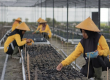
PT Astra Agro Lestari Tbk (Astra Agro) demonstrates a strong commitment to environmental sustainability through its Green Corridor program, which aims to preserve wildlife alongside palm oil production. For example, its subsidiary, PT Agro Menara Rachmat (AMR), manages 7,448 hectares of oil palm plantations and a 537-hectare conservation area.
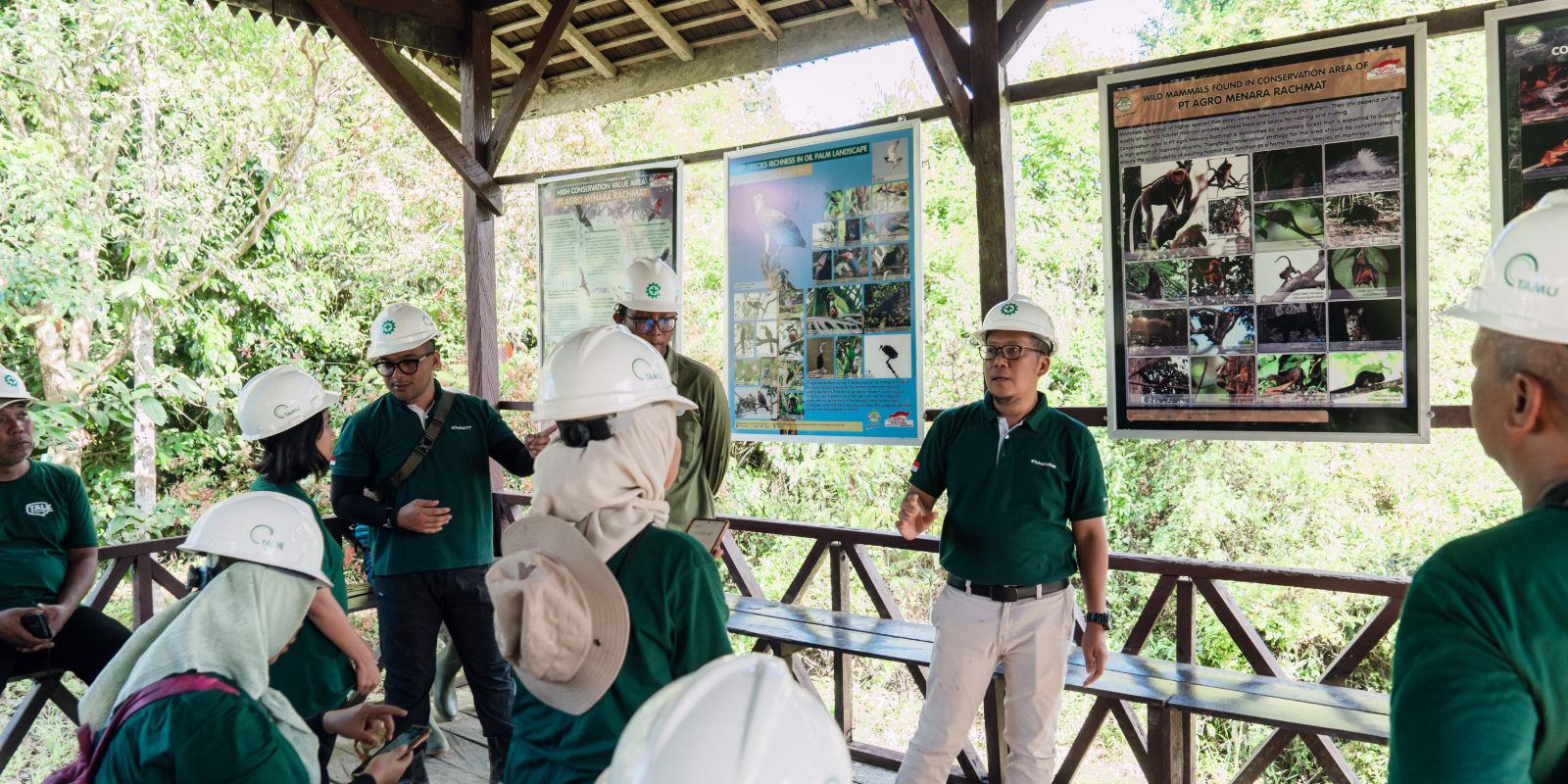
Bagas Qurhanto, Conservation Assistant at AMR, explained that the 537-hectare conservation area consists mainly of frequently flooded swamp forests and is home to 365 plant and animal species.”Here, all animals and plants are allowed to grow naturally,” said Bagas Qurhanto to journalists visiting the AMR Conservation Area in West Kotawaringin Regency, Central Kalimantan, on Thursday, October 30, 2025. The visit is one of the events in the Talk to The CEO Astra Agro series held in Pangkalan Bun, Central Kalimantan, from October 28-31, 2025.

Bagas emphasized that the AMR green forest is not simply leftover land from clearing, but serves as the core of conservation, carefully protected to support balanced survival of diverse flora and fauna.He noted that maintaining over 7% of the plantation area for conservation is not just a formality. “We are not just maintaining it, but also studying and researching everything it contains,” said Bagas.
Located in the Arut Selatan District, this conservation area includes the villages of Runtu, Umpang, and Sungai Bengkuang. For AMR, conservation goes beyond regulatory compliance and reflects a genuine commitment. AMR actively protects and researches the area rather than leaving it undisturbed.Bagas explained that to study ecosystem dynamics, the AMR conservation team installed camera traps at key locations where animals frequently pass. These motion-activated cameras automatically capture photos or videos of wildlife.

These efforts yield not only compelling photographs but also valuable scientific data on local animal diversity. Species documented include hornbills, eagles, small birds, sun bears, snakes, proboscis monkeys, and other primates such as the tarsier.”Blangiran is the most common tree in the AMR forest; this swamp blangiran, or meranti, is a timber species. We cultivate it by collecting seedlings from the forest, raising them, and replanting them in the conservation area,” explained Bagas.

Bandung added that swamp meranti is cultivated at AMR because it is endemic. “Blangiran can only be found in Kalimantan and Sumatra in the world, and its conservation status is critical,” said Bandung.

In addition to blangiran, AMR is cultivating ulin, or Bornean ironwood trees, known for their exceptional strength and use in shipbuilding. “Ironwood trees grow slowly, taking decades or even centuries to reach maturity,” said Bandung, noting a tree planted in 2011 that remains small.

AMR has identified 136 species of flora and 229 species of fauna in the conservation area. “This data serves as the basis for the company in designing sustainable, science-based conservation strategies,” added Bandung.The AMR conservation forest has recently become a “natural laboratory” for university students, who study its wildlife, vegetation, and the ecological impact of plantation management. Their research has contributed to undergraduate theses.

PT Agro Menara Rachmat’s conservation efforts demonstrate that palm oil plantations and environmental stewardship can coexist, provided careful planning and a commitment to sustainability are in place. Conservation does not require isolating nature from people, but rather involves humans in maintaining ecological balance.
Source: Benang.id
Disclaimer
This article may contain copyrighted material, the use of which may not have been pre-authorized by the copyright owner. This material is made available for the purpose of giving information and knowledge. The material contained on the Astra Agro website distributed without profit. If you are interested in using copyrighted material from this material for any reason that goes beyond ‘fair use’, you must first obtain permission from the original source