For many communities, oil palm cultivation extends beyond its role as a commodity and has become essential for enhancing family welfare. Previously managed on a small scale, oil palm now provides a stable source of household income.
In Pasangkayu Regency, oil palm has emerged as a central pillar of the local economy. Farmers harvest fresh fruit bunches (FFB) daily with the objective of securing sufficient income to support their families, a goal that is now increasingly achievable.
“On average, farmers in our cooperative group can earn up to IDR 35 million per month,” said Idris Lambang, Head of the Bina Bersama Lestari Farmers Group.
For this 53-year-old farmer, transitioning to oil palm cultivation has resulted in significant socioeconomic transformation. He has observed that income from oil palm plantations can offer economic security for his family, a level of stability previously unattainable.
Prior to leading the oil palm farmers group, Idris worked as a cocoa farmer. He discontinued cocoa cultivation due to the crop’s susceptibility to pests and diseases, high maintenance costs, and volatile market prices.
“There were so many challenges when I was a cocoa farmer, and eventually I decided to switch to oil palm farming. Oil palm offers a clearer market and more certain long-term returns,” he explained.

Alongside his group members, Idris now harvests and sells produce nearly every day. Monthly production ranges from 1,000 to 1,100 tons of FFB, which is sold to PT Letawa, a subsidiary of Astra Agro. This partnership has been maintained for approximately 19 years.
This partnership has resulted in substantial improvements. Previously, farmers faced difficulties in marketing their harvests due to limited cultivation knowledge and suboptimal fruit quality. Currently, with ongoing support from the cooperative and the company, market access is more accessible and organized.
“We have experienced so many benefits. We regularly receive training and assistance to improve the quality of our harvests,” Idris said.
The assistance provided extends beyond theoretical instruction. Farmers receive direct field guidance in areas such as proper fertilization methods, efficient harvesting techniques, and sustainable plantation management. Additionally, online training sessions are conducted to facilitate ongoing knowledge and skill development.
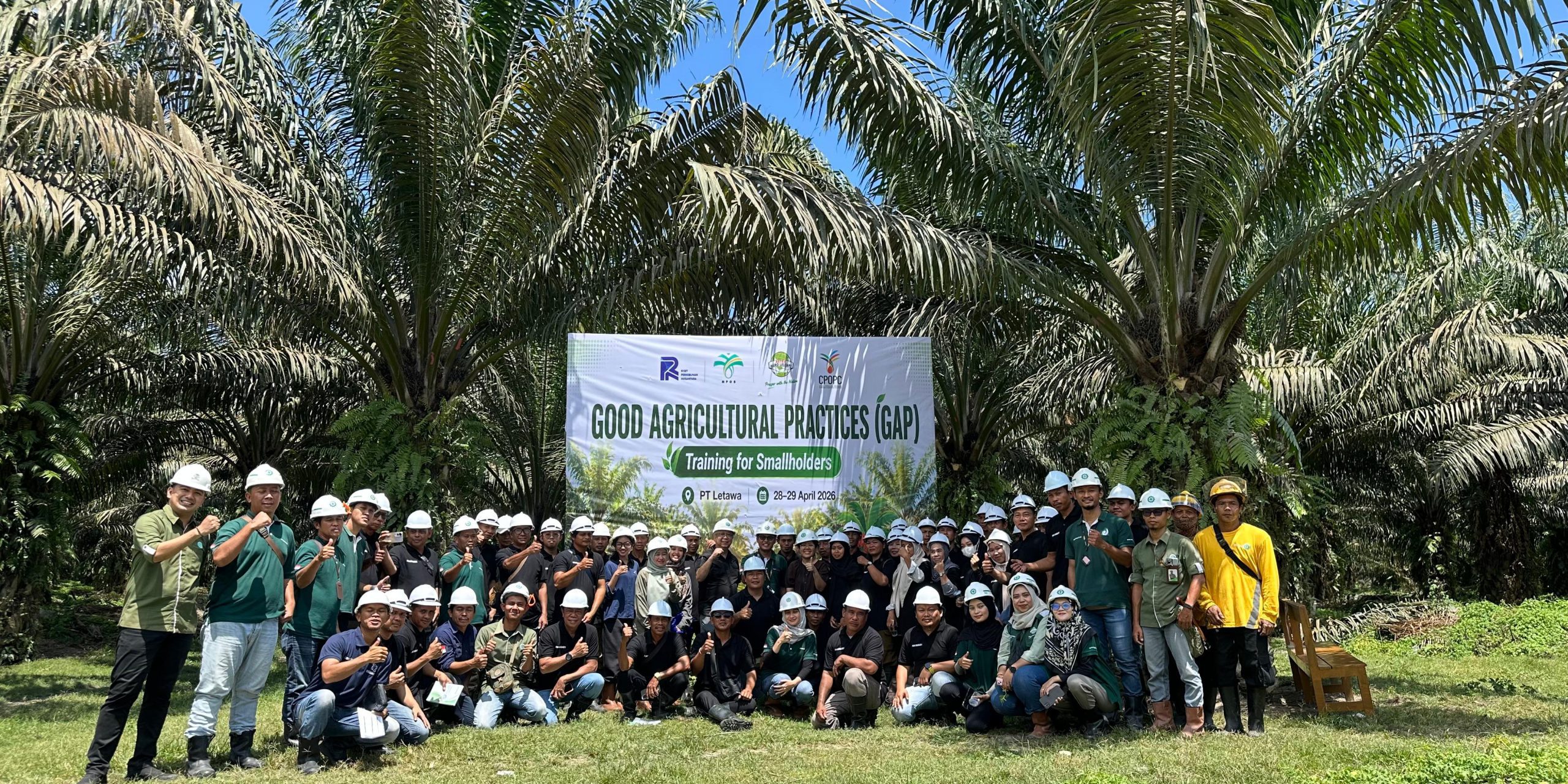
This initiative has been further reinforced by a recent collaboration between Astra Agro and the Council of Palm Oil Producing Countries (CPOPC), which organized training programs for independent oil palm smallholders in Pasangkayu, West Sulawesi. The program aims to improve technical skills and enhance farmers’ understanding of Good Agricultural Practices (GAP), with a focus on efficiency and sustainability in plantation management.
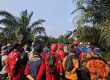
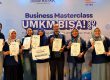
During the training conducted in Palu on 28–29 April 2026, farmers were encouraged to implement cultivation practices that are more effective, productive, and environmentally sustainable.
Idris was among the direct beneficiaries of the program. He reported an improved understanding of oil palm plantation management, from initial planting to routine maintenance, which enables farmers to optimize harvest yields.
“Training programs like this are one of the key factors supporting us in becoming more capable and higher-quality oil palm farmers,” he said.
Meanwhile, in a written statement, CPOPC Director of Sustainability and Smallholders, Antonius Yudi, emphasized that farmers play a strategic role in the global supply chain, making smallholder capacity-building essential to ensuring the long-term sustainability of the palm oil industry.
“We hope this activity will enhance technical skills while also strengthening participants’ understanding of the importance of efficiency and sustainability in plantation management,” he stated.
Appreciation also came from Pasangkayu Regency Head of Plantation and Agriculture Office, Abidin, who attended the event. According to him, strengthening farmers’ capacity through the implementation of good cultivation practices is key to improving productivity, efficiency, and the competitiveness of local farmers.
Pasangkayu Regency recently received recognition as the region with the highest economic growth in West Sulawesi at the 2027 Regional Development Planning Forum (Musrenbang RKPD) held in April 2026. This accomplishment demonstrates the region’s sustained development and robust economic performance.
The plantation sector, particularly oil palm and its downstream products, has become the primary foundation of the regional economy. The production of crude palm oil (CPO) and its associated value chain has significantly contributed to local economic growth and established Pasangkayu as a key contributor to agricultural sector development in West Sulawesi.
The programs and initiatives implemented by Astra Agro Group to enhance the capacity and quality of oil palm farmers represent a significant step toward increasing productivity and strengthening the competitiveness of plantations in West Sulawesi in the future.