Each June, World Environment Day encourages global reflection on our relationship with nature as climate change becomes increasingly urgent. Rising temperatures, extreme weather, ecosystem degradation, and biodiversity loss show that environmental crises are present challenges, not distant threats.
Despite these challenges, there is strong hope for recovery. Ecosystem restoration, clean energy adoption, and cross-sector collaboration show that climate solutions are advancing globally.
Environmental conservation seeks to balance human activity, economic growth, and ecosystem sustainability. Astra Agro is committed to growing with communities and believes business success must align with environmental stewardship.
This commitment is demonstrated through ongoing environmental protection and restoration programs, including continuous ecosystem rehabilitation across the Company’s operations.
In 2025, Astra Agro planted 49,390 trees across 193.09 hectares. The program involved 22 subsidiaries in seven regions, using 37 tree species chosen for their suitability to local habitats and ecological roles.
Rehabilitation efforts target strategic areas such as river buffer zones, mangrove ecosystems, High Conservation Value areas, and operational sites including schools, reservoirs, methane capture facilities, and employee housing. The program also supports public facilities near Company operations, such as partner schools, sub-district offices, and other community spaces.
Astra Agro prioritizes river buffer zone rehabilitation. In 2025, the Company planted 22,514 trees across 173.41 hectares in five regions. Species such as pulai, mahogany, rain trees, angsana, and local fruit trees were chosen to enhance riverbank ecology, reduce erosion, and support biodiversity.
Astra Agro also protects coastal ecosystems through mangrove rehabilitation in Aceh, East Kalimantan, and West Sulawesi. The Company has planted 24,373 mangrove trees across 4.74 hectares, using species such as Rhizophora sp. and Sonneratia alba. This initiative supports climate change mitigation, coastal protection, and local community livelihoods.
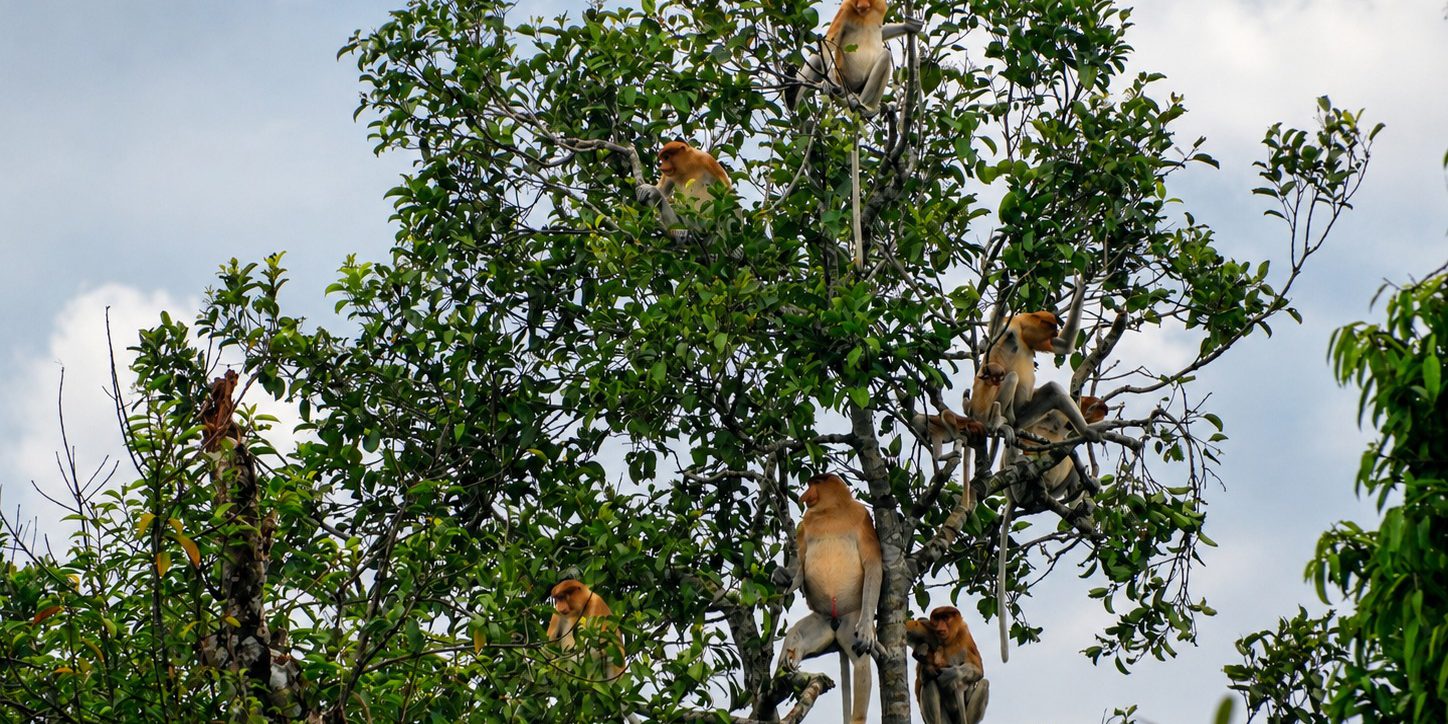
In Aceh Singkil, a mangrove rehabilitation program ongoing since 2018 has resulted in 51,000 mangrove trees planted by 2025. Biodiversity monitoring has identified 22 wildlife species, including protected ones. Healthy mangroves provide wildlife habitat, protect coasts from abrasion, and maintain community access.
Environmental conservation requires collaboration. Astra Agro engages farmer groups, local communities, village governments, environmental agencies, educational institutions, and security authorities to enhance program effectiveness and foster shared responsibility for environmental protection.
Astra Agro’s climate change mitigation efforts include an integrated decarbonization strategy across its operations. In 2025, the Company reduced emissions by 21.97% through initiatives such as using waste as fertiliser and alternative energy, adopting cleaner fuels, and implementing sustainable restoration and rehabilitation programs.
Since 2019, Astra Agro has reduced greenhouse gas emissions by 35.69%, or 439,826 tonnes of CO₂e. This result highlights the effectiveness of the Company’s decarbonization strategy, which aims to reduce emissions, improve operational efficiency, and create sustainable value for the environment and society.
Through these initiatives, Astra Agro reinforces its commitment to growing in harmony with nature. These actions reflect a shared responsibility to preserve a healthier, more sustainable environment for future generations