In a village in Rio Pakava District, Donggala Regency, women are building new hopes. This change has developed gradually through daily routines, beginning with small steps and growing into the confidence to shape a different future.
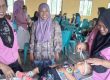
The Perempuan Maju Jaya Group provides a space for these hopes to grow. Here, women gather, learn, and support each other. Although they come from modest backgrounds and have limited business experience, their determination to improve their lives drives them forward.
Nengah Wantri, the group leader, plays a key role in this journey. Known simply as Nengah, she serves as a bridge of hope for members. Having faced limited access to capital, knowledge, and business opportunities, she draws motivation from these challenges to move forward.
For Nengah, joining the group is more than an extra activity. It is a way to demonstrate that rural women can become independent. She consistently encourages members to try new things, even if they must begin with small steps.
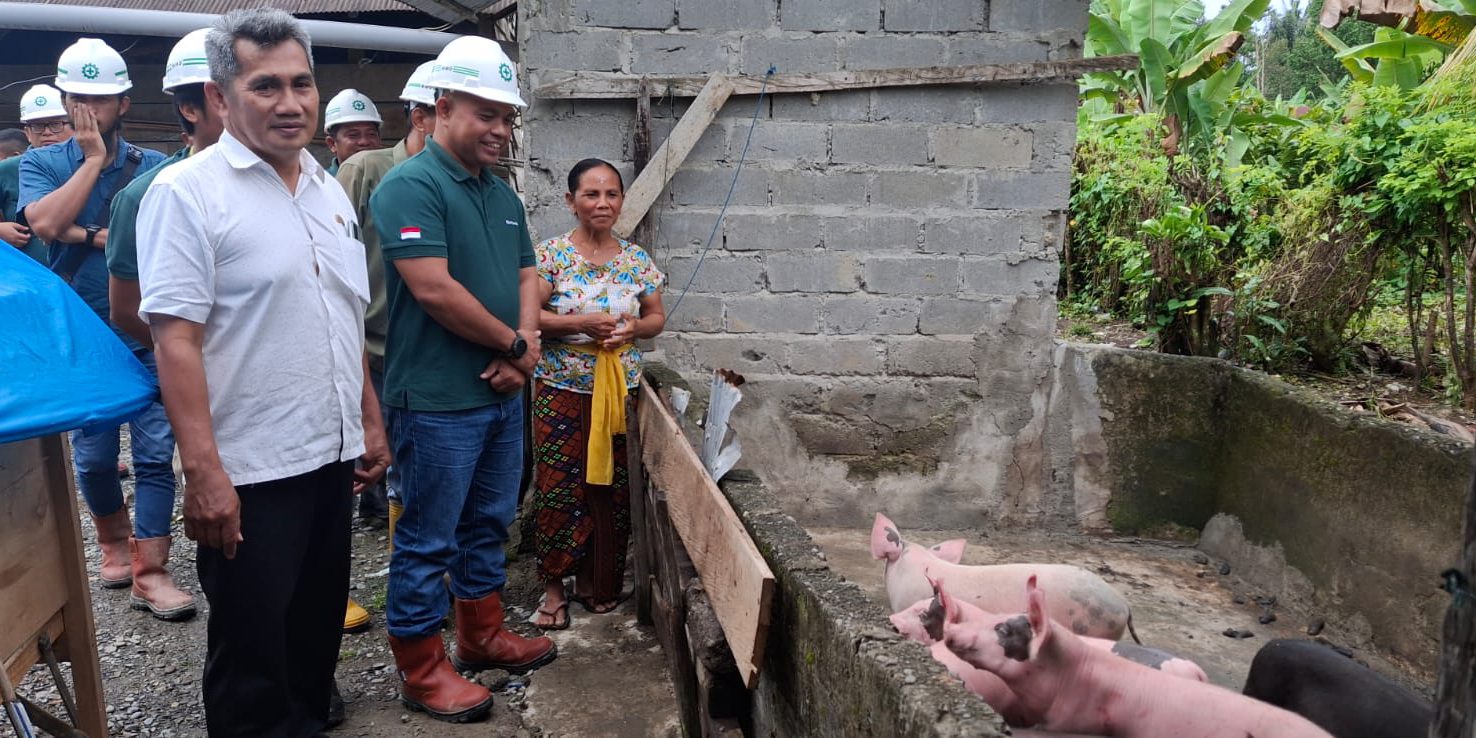
Their journey gained direction through collaboration with multiple stakeholders. PT Mamuang, part of Astra Agro, has provided tangible support to strengthen economic empowerment in the village, especially for the Perempuan Maju Jaya Group. The company engages consistently with local communities, fosters collaboration, delivers meaningful benefits, and maintains open dialogue to ensure its programs meet community needs.
After careful consideration and community engagement, PT Mamuang provided piglets to the Perempuan Maju Jaya Group. This support marked the beginning of a collectively managed business led by village women. The initiative was further strengthened through collaboration with the NGO Relawan untuk Orang dan Alam (ROA) and the Central Sulawesi Plantation and Livestock Agency.
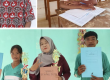
In addition to maIn addition to material support, the women received ongoing mentoring and training. Nengah Wantri and group members learned new skills, including livestock fattening, feed management, and disease control. Mentoring was provided through regular field visits and workshops that expanded their understanding of resource access.ocess, women farmers were encouraged to better understand their rights and opportunities, including how to access empowerment programs that were previously beyond their reach.
For Nengah Wantri, this transformation is deeplFor Nengah Wantri, this transformation is deeply personal. She has seen not only economic improvements but also changes in mindset. Women who were once hesitant are now more confident, actively participating in discussions, making decisions, and planning their shared business future.oductive businesses. We hope this program will become a turning point for improving our community’s economy,” she said.
She also recognizes that independence develops over time. It grows through learning, effort, and mutual support. Today, that process is underway in her village.
The Head of Rio Mukti Village, Idris Lambang, also expressed appreciation. He thanked those involved and hopes the group will manage the assistance well to deliver tangible benefits to the community.
“I encourage all members of the Maju Jaya Group to uphold this trust with full responsibility. Manage the livestock properly, participate in the training provided, and use this program as a foundation for collective efforts to improve our village’s welfare,” he said.
From the simple livestock pens they manage, hope continues to grow. Each step taken by the Perempuan Maju Jaya Group shows that with access and trust, rural women can drive change.
In Rio Mukti Village, empowerment thrives through individuals like Nengah Wantri, who turn limitations into starting points for progress.