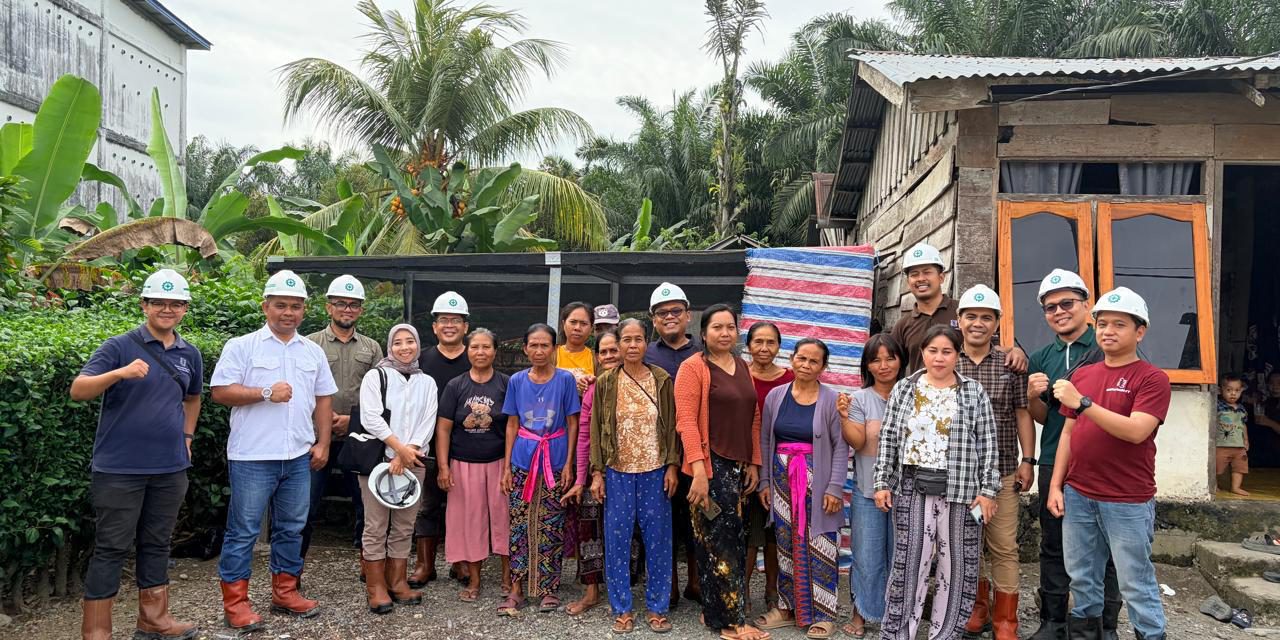
DONGGALA, CENTRAL SULAWESI — Morning in Rio Mukti Village, Rio Pakava District, Donggala Regency, Central Sulawesi, is a time for Nengah Wantri and members of the Maju Jaya Women’s Group (KP Maju Jaya) to nurture the hopes they have built together.
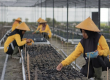
On a modest plot beside her home, Nengah and several group members are busy preparing and caring for seedlings for home gardens.
The young seedlings will later be distributed among group members for planting around their respective homes. For Nengah, the activity is more than simply planting. It represents hope that the land around their homes can be utilised to help meet household food needs while also enabling group members to become increasingly self-reliant.
“We are committed, together with all members, to maintaining and continuously developing this program so that it can deliver better results and greater benefits for our members’ families in the future,” Nengah said.
What Nengah and the members of KP Maju Jaya are doing is part of the broader journey toward women’s empowerment in Rio Mukti Village.
The group, which previously focused on pig farming, has now begun expanding its activities by utilising home gardens. Livestock farming is part of efforts to strengthen household economies, while home gardening aims to help meet household food needs.
Two Activities, One Shared Goal
The women are not only learning to manage livestock but also developing their ability to use the resources available around their homes. This progress has also been supported by an empowerment program carried out by PT Mamuang in collaboration with KP Maju Jaya.
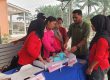
Through monitoring and mentoring activities, the company’s management directly observed the development of the livestock operation and the group’s seedling activities.
For the group, this ongoing support provides an opportunity to discuss and evaluate their activities while receiving encouragement to continue developing the program.
Turning Support into Self-Reliance
PT Mamuang management representative Susila Darmawati expressed her appreciation for the enthusiasm shown by KP Maju Jaya members as they gradually develop the program.
According to her, successful empowerment does not end with the assistance provided. Instead, it can be seen in the community’s ability to manage, develop, and create new benefits from the program.
“We appreciate the enthusiasm of the women of KP Maju Jaya in implementing this program. We can see their willingness to continue growing, both through livestock farming and the utilisation of home gardens,” Susila said in a statement received by TribunPalu.com on Tuesday (August 18, 2026).
“We hope that the benefits generated by this program will not only be enjoyed by group members, but will eventually create an even broader impact for their families and the surrounding community,” she added.
The development of home gardens represents an important step toward expanding the program’s benefits.
When some household food needs can be met from the surrounding home environment, families gain not only economic benefits but also an opportunity to strengthen their food self-sufficiency.
Home gardens that were previously underutilised are now being viewed as valuable resources that can support family livelihoods. In the hands of the women of KP Maju Jaya, simple activities such as sowing, caring for, and planting seedlings have become part of the process of building self-reliance.
Going Beyond Livestock Farming
Some members manage the livestock operation, while others are involved in seedling preparation and home-garden activities. Each role contributes to keeping the group’s activities running. This spirit of togetherness is an important foundation for ensuring that the program continues to grow and does not end when the initial assistance is completed.
Planting for Families, Growing Together as a Group
For Nengah Wantri, the support provided by PT Mamuang means more than just assistance. The company’s monitoring and mentoring activities give group members an opportunity to discuss their progress and receive encouragement to further develop their work.
“We would like to thank PT Mamuang, who has not only provided assistance but has also continued to visit and accompany us as our group develops. This support motivates us to take our livestock farming and home-gardening activities more seriously,” Nengah said.
Amid their livestock and seedling activities, the ultimate goal is actually quite simple: to help the families of group members become more empowered and self-reliant.
Food security is built from things that are close to everyday life—from home gardens and the hands of women who plant and care for crops, to the produce that can eventually be harvested and enjoyed by their families.
The activities of KP Maju Jaya demonstrate that women’s empowerment does not always have to begin with something big.
It can grow from a livestock pen and a few plots of land around the home. From there, women learn to manage productive activities. From there, they also begin to build greater food self-reliance.
Today, KP Maju Jaya has two foundations on which to continue moving forward: livestock farming to strengthen household livelihoods, and home gardening to help meet families’ food needs.
With the commitment of its members and continued mentoring, both activities are expected to grow into sources of long-term benefits. Ultimately, the success of an empowerment program is not only measured by what is provided, but by what the community is able to grow and sustain afterwards.
And in Rio Mukti, that hope is slowly taking root—through livestock pens and home gardens, alongside Nengah Wantri and the women who have chosen to keep moving forward and growing together.
Source: Palu.Tribunnews.com
Disclaimer
This article may contain copyrighted material, the use of which may not have been pre-authorized by the copyright owner. This material is made available for the purpose of giving information and knowledge. The material contained on the Astra Agro website distributed without profit. If you are interested in using copyrighted material from this material for any reason that goes beyond ‘fair use’, you must first obtain permission from the original source