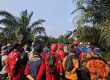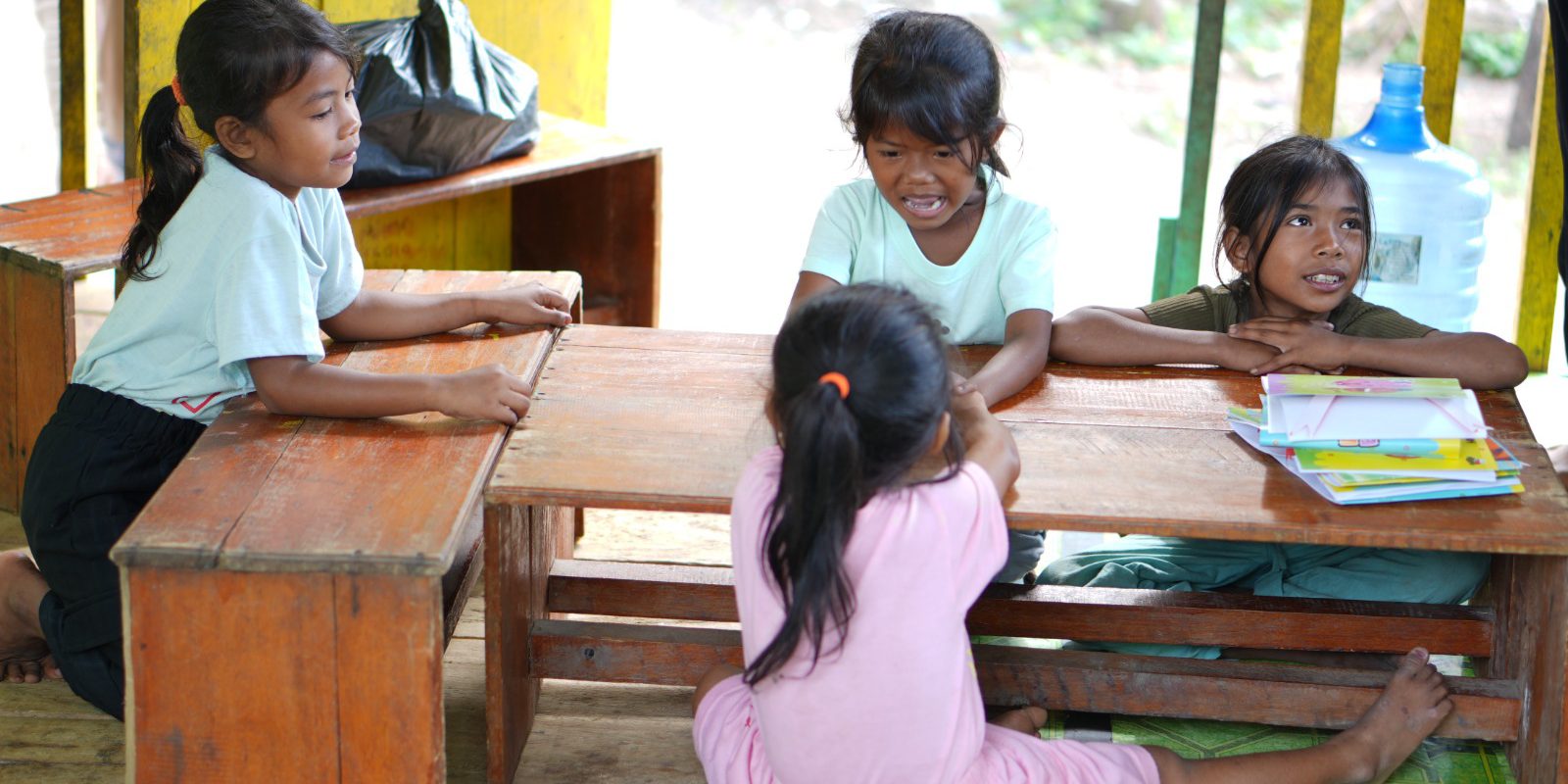
The Suku Anak Dalam community is an indigenous society living in the interior of Jambi, with a way of life still strongly influenced by tradition and local wisdom. Amid various limitations in access to basic services, this community continues to adapt to change without abandoning its cultural identity.
However, changes within the Suku Anak Dalam (SAD) community do not occur instantly, but rather through a long process involving appropriate and sustainable approaches. Astra Agro, through its subsidiaries, is strongly committed to growing together with indigenous communities in Jambi by respecting traditions, preserving culture, and promoting welfare development.
This commitment is implemented through various support programs designed to address basic needs while gradually encouraging community self-reliance.
One of the steps taken involves collaboration based on an in-depth study conducted by Daemeter Consulting in 2017. Astra Agro has since implemented a range of initiatives covering education, healthcare, welfare, housing, and economic empowerment. These programs focus on providing assistance that promotes long-term independence.
Another effort focuses on strengthening food security. Since 2018, Astra Agro has consistently provided basic necessities, including staple foods and rice, to 331 households. At the same time, the Suluh Rimbo program was developed as an agricultural learning centre, starting on a small scale and growing until it was officially established in 2024 as an institution called Rimba Tani. This initiative serves as a key foundation for introducing farming practices to a community that previously relied heavily on forest resources.
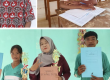
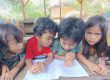
In the education pillar, PT Sari Aditya Loka manages PKBM Muara Cendekia, which offers education from early childhood to equivalency programs (Packages A, B, and C). Collaboration with Sanggar Kegiatan Belajar (SKB) further expands access to education services. To date, 421 children from the SAD community have gained access to education, with some continuing on to higher education institutions such as the Politeknik Pembangunan Pertanian Bogor, Universitas Jambi, and Universitas Kesehatan Jambi. One individual has even successfully pursued education at the police academy.
To reach semi-nomadic groups, the Sekolah Bejelon program was introduced, delivering teachers directly to learning locations, with Rumah Singgah Madu Rimbo providing temporary accommodation for children.
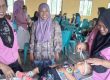
Meanwhile, healthcare services have been strengthened through the establishment of six integrated health posts (posyandu) specifically for SAD communities: Astera, Raflesia, Mawar, Punti Kayu II, Nurul Islam, and Tunas Bangsa. These facilities are equipped with ambulance services, facilitating referrals to hospitals so communities can receive faster, more appropriate medical care.
In the economic pillar, various empowerment programs continue to be developed to create income opportunities and foster independence. Communities are encouraged to manage poultry farming, catfish cultivation, and the development of unique commodities such as jernang—a high-value red resin—through collaboration with the Taman Nasional Bukit Dua Belas. Some groups have shown significant progress, successfully managing their businesses independently.
Another important effort is to facilitate access to the civil administration. Since 2022, the national ID (KTP) registration program for SAD communities has been intensified, and by the end of 2025, 898 individuals had obtained official identification. This enables access to various social assistance programs such as BST, BLT, and PKH, as well as healthcare and education services through KIS and KIP.
Transformation is also evident in the Meriau Group, which, since 2019, has gradually shifted from a nomadic lifestyle to settling within the Taman Nasional Bukit Dua Belas. They now have permanent housing and have developed agriculture-based livelihoods. In 2024, this progress was strengthened through the establishment of the Berkah Rimba Bukit Duabelas cooperative, in collaboration with the national park authority, to improve the community’s bargaining position in marketing non-timber forest products.
Overall, this series of programs demonstrates that approaches emphasising dialogue, alignment with community needs, and sustainable planning can drive tangible change. In addition to improving quality of life, these efforts also pave the way for SAD communities to adapt without losing their identity and local wisdom passed down through generations.
In total, these empowerment programs have reached 1,252 individuals through strengthened family-based learning, provided education access to 412 children, and expanded healthcare and civil administration services for hundreds of families. To date, 898 individuals have obtained national ID cards, enabling access to social protection programs, including the Family Hope Program (PKH) for 84 households, Smart Indonesia Card (KIP) for 40 families, Direct Cash Assistance (BLT) for 236 families, Healthy Indonesia Card (KIS) for 331 families, and Non-Cash Food Assistance (BPNT) for 182 families.
Efforts to strengthen self-reliance have also been expanded through support for 37 families in the Meriau Group within the Taman Nasional Bukit Dua Belas area, as well as through capacity-building at the Agricultural Learning Centre (ALC) in Suluh Rimbo Sikar and Suluh Rimbo Air Panas. These initiatives play an important role in promoting productive and sustainable resource management.
These achievements demonstrate that approaches prioritising dialogue, community-relevance, and sustainable planning can produce measurable impacts.
Beyond improving welfare, the overall program has also created opportunities for the Suku Anak Dalam community to gradually adapt to social and economic dynamics. This process takes place while preserving their identity and local wisdom, ensuring that transformation remains aligned with their inherited cultural values.