Palm oil production is influenced not only by fertilization and plantation maintenance, but also by global climate phenomena. El Niño and La Niña significantly affect weather patterns in Indonesia. El Niño causes reduced rainfall and prolonged dry seasons, while La Niña brings increased rainfall and extended wet seasons. These changes in rainfall directly impact water availability, which is essential for oil palm growth and productivity.
At the “Ngobrol Bareng GAPKI” workshop, Dr. Nuzul Hijri Darlan explained that El Niño poses a significant challenge for the palm oil industry due to drought stress on crops. Water shortages disrupt physiological processes, especially the formation of female flowers, which are vital for fresh fruit bunch (FFB) production. The effects can persist for one to two years after the event. The degree of production decline depends on plant conditions, age, and management practices.
The academic from Bogor Agricultural University also noted that prolonged dry seasons linked to El Niño create multiple risks for plantations. Extended water deficits stress plants, reduce fruit bunch quantity and weight, and increase susceptibility to pests and diseases. Drought conditions also raise the risk of land fires, limit water for operations, and disrupt raw material supply to mills. These factors can negatively impact overall production performance.
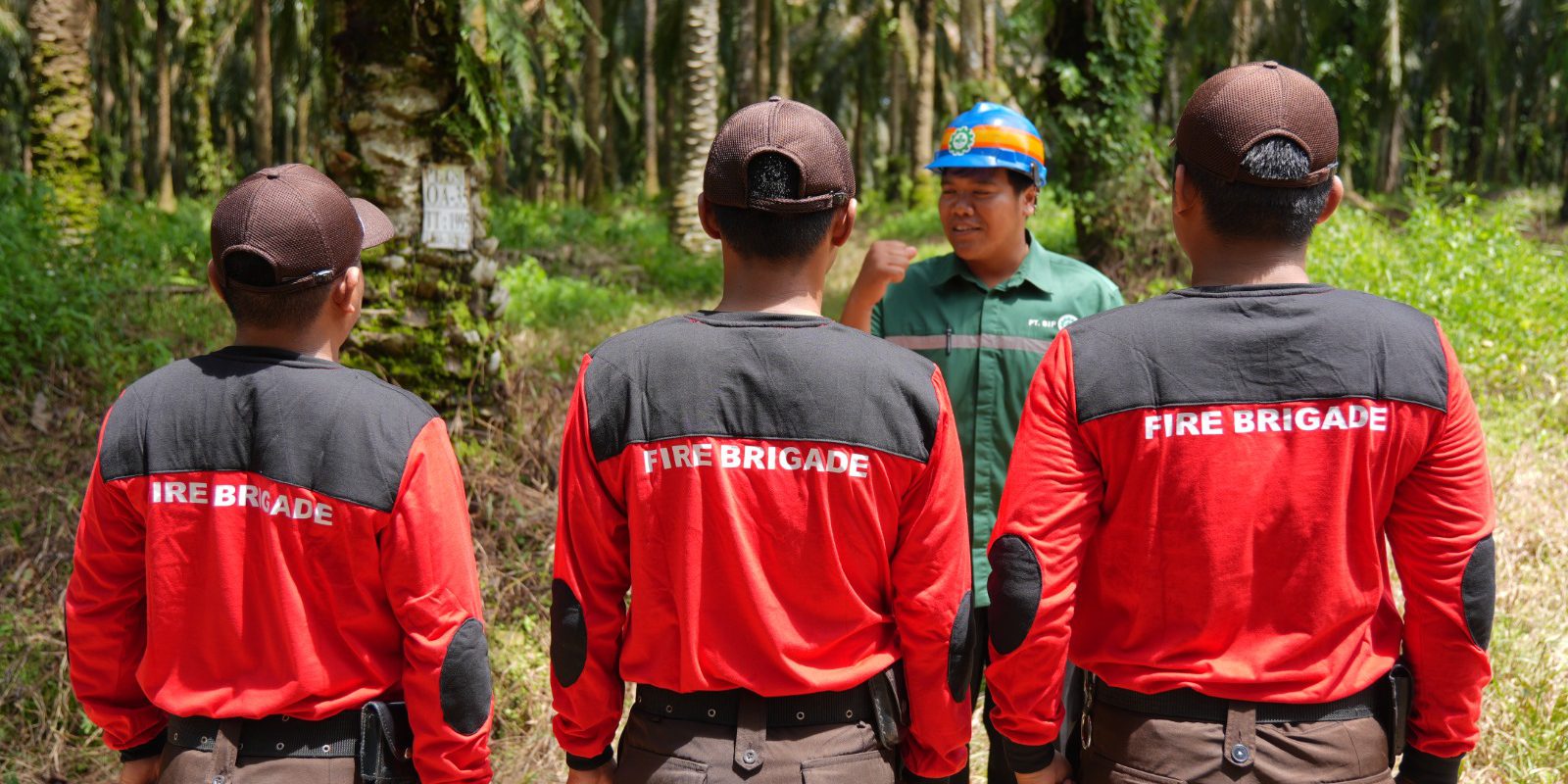
In anticipation of potential dry conditions in 2026, proactive measures are essential for the palm oil industry, including Astra Agro. The company aims for zero fire incidents as part of its sustainability commitment, ensuring no fires occur in its operations or supply chain. Preventive actions include routine monitoring, early detection technologies, and training for employees and local communities. Astra Agro is also strengthening collaboration with stakeholders to improve fire preparedness and response.
Astra Agro enforces a Zero Burn Policy across all concessions, prohibiting fire use in operations, including land preparation for replanting. This policy aims to eliminate fire risks and support greenhouse gas emission reduction. The company has also implemented a Fire Prevention System aligned with government regulations, based on four principles: compliance with standard procedures, provision of firefighting facilities, effective water supply management, and active community involvement in fire prevention.
Preparedness is further enhanced through regular training of Emergency Preparedness and Response Teams (TKTD). Astra Agro collaborates with external stakeholders, including Plantation and Forestry Agencies, the Police, Manggala Agni, and the Regional Disaster Management Agency (BPBD). This collaboration ensures the readiness of infrastructure, facilities, and personnel for fire prevention and mitigation, especially during the dry season.
Astra Agro also conducts routine inspections of supporting facilities and infrastructure, including firefighting equipment and water sources, to ensure all equipment functions properly and is ready for emergencies.
Fire risk monitoring is carried out through a multi-layered approach. Astra Agro monitors hotspots within and around its Fire risk monitoring uses a multi-layered approach. Astra Agro tracks hotspots within and around its concessions using MODIS and VIIRS technology from BRIN, along with ground patrols, watchtowers, and drones for hard-to-reach areas. Rainfall is monitored through an Automatic Weather System (AWS) and data from the Meteorology, Climatology, and Geophysics Agency (BMKG) to provide early warning of increased fire risk.ts joint patrols with local governments, relevant agencies, and the military and police (TNI/Polri) to anticipate potential fires originating outside concession areas that could impact company operations.
Astra Agro also develops community-based fire prevention programs by establishing Masyarakat Peduli Api (MPA) groups. As of 2024, the company has supported 122 MPA groups. These programs aim to raise community awareness, prevent land clearing by burning, and strengthen early detection and fire suppression in areas around concessions.
Through these initiatives, Astra Agro aims to mitigate the impact of El Niño on plantation productivity while upholding its sustainability commitments. An integrated approach, including prevention, monitoring, and stakeholder collaboration, is central to addressing evolving climate challenges.
Source: Presentation by Dr. Nuzul Hijri Darlan & Astra Agro Sustainability Report 2025