Accelerating the reduction of stunting remains a key development priority in Jambi Province. As the province marks its 69th anniversary, the business sector is increasingly recognized as a strategic partner to the government in enhancing the community’s quality of life in a sustainable manner.
“Reducing stunting cannot rely solely on the health sector. The education, social, economic, women’s empowerment, agriculture, and infrastructure sectors all play vital roles. Therefore, strategic and adaptive interventions must be implemented in an integrated manner, and foster parents are greatly needed in every region,” said Jambi Governor Al Haris at the official opening of the Performance Assessment of the Convergence Action for Accelerating Stunting Reduction in Jambi Province’s Regencies and Cities in July 2025.
In line with this approach, PT Sari Aditya Loka (SAL), a palm oil plantation company based in Merangin and Sarolangun Regencies, has demonstrated a strong commitment to supporting the government’s development agenda.
“Throughout 2025, the company consistently implements community-based health programs that directly contribute to stunting prevention and reduction,” stated Slamet Riyadi, Assistant Sustainability Manager at PT SAL.
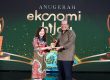
The Jambi local government recognized this commitment. In October 2025, PT SAL received appreciation from the Merangin District Government for its active role in reducing stunting. This recognition was further reinforced by the awarding of the Stunting Prevention Foster Parent Charter (GENTING) from the Jambi Province BKKBN in December 2025.
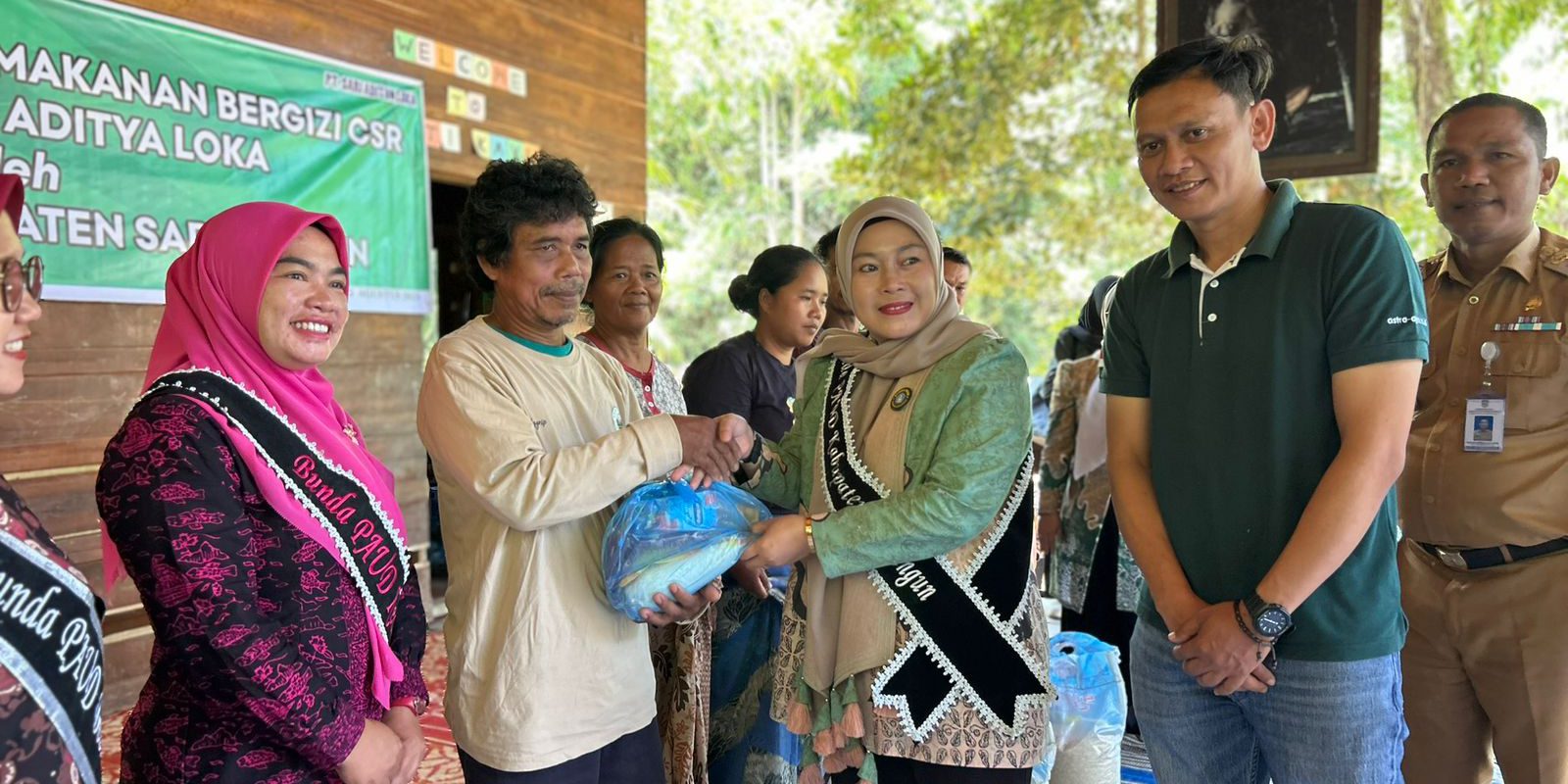
Through the Astra Sehat program, PT SAL mentors 35 posyandu in its primary operational area, as well as six posyandu dedicated to the Suku Anak Dalam (SAD) community. The program provides elementary feeding, trains posyandu (integrated health post) cadres, supports health facilities and infrastructure, delivers medical services, and facilitates patient referrals. In collaboration with the local health center, the company also operates a mobile health center service that reaches 241 households and provides a dedicated ambulance for the SAD community,” he added.
In addition to health initiatives, PT SAL supports education for the surrounding community and the Suku Anak Dalam tribe. By 2025, the company will mentor 13 schools in Merangin and Sarolangun districts, supporting 412 students and 16 educators.
“To support the education for SAD children, PT SAL provides Wisma Madu Rimbo as a residential facility for students from elementary to high school,” explained Slamet Riyadi.
Within its primary operational area, PT SAL supports 18 schools and provides honorarium assistance to 31 teachers from six schools. The company also manages two kindergartens and four daycare centers for the children of its employees, serving a total of 70 students.The company’s contributions also extend to environmental and food security initiatives. In 2025, PT SAL distributed 600 jengkol tree seedlings, which the SAD community planted in the buffer zone of Bukit Duabelas National Park. This program is expected to provide long-term economic benefits and support forest sustainability.
Community economic development (Suluh Rimbo) is pursued through various empowerment programs. PT SAL strengthens the local economy through empowerment programs based on local potential. The company organized a Suluh Rimbo program with the SAD community in Bukit Suban Village, Sarolangun Regency, and South Tabir District, Merangin Regency, to support food security.mer groups involving the SAD community and residents of Pematang Kabau Village, providing mentoring through to the utilization of the harvest.
In the fisheries sector, PT SAL promotes freshwater fish farming in Merangin and Sarolangun districts to strengthen food availability and increase community income. The company also supports women’s empowerment by assisting two Women Farmer Groups (KWT) in Muara Delang and Sungai Sahut Villages, strengthening group capacity and providing guidance on productive enterprises.
The company also mentors the SAD community’s handicraft groups, including Selambai, Bepayung, and Grip, which sustainably utilize non-timber forest products. In agriculture, PT SAL provides rice cultivation guidance in collaboration with the Tarib Group in its primary operational area to strengthen village food security.
As a part of social safety measures, PT SAL regularly distributes Life Insurance (JADUP) as monthly food assistance to 331 heads of households in the SAD community within its primary operational area. The company also provides social assistance to people with disabilities in Merangin Regency.
“Through these programs, PT SAL emphasizes that business contributions are integral to regional development. In line with the spirit of Jambi Province’s anniversary, the company hopes that synergy among the government, community, and business sector will continue to strengthen, achieving inclusive, sustainable development in Jambi with tangible community impact,” stated Slamet Riyadi, Assistant Sustainability Manager at PT SAL.
Source: Jambiespres.co.id
Disclaimer
This article may contain copyrighted material, the use of which may not have been pre-authorized by the copyright owner. This material is made available for the purpose of giving information and knowledge. The material contained on the Astra Agro website distributed without profit. If you are interested in using copyrighted material from this material for any reason that goes beyond ‘fair use’, you must first obtain permission from the original source