Every village has its own story, potential, and challenges. Amid this diversity, Astra Agro, through its subsidiaries across Sulawesi, strives to be a partner in growing alongside local communities. Through empowerment programs tailored to local needs, various initiatives are developed to create opportunities, strengthen community capacity, and foster self-reliance.
In Donggala, Central Sulawesi, PT Lestari Tani Teladan (LTT) implements community empowerment programs in Towiora and Tinauka Villages. Its support takes a comprehensive approach, ranging from education through incentives for honorary teachers to initiatives aimed at improving community health. These include providing supplementary food (PMT) and health check-up services for pregnant women, toddlers, and elderly residents at six community health posts (Posyandu). In total, the health services have benefited 33 pregnant women, 268 toddlers, and 97 elderly residents.
In the economic sector, community members receive assistance in developing oyster mushroom cultivation, free-range chicken farming, and goat farming businesses. Women’s groups are also encouraged to pursue productive activities through the Family Welfare Movement (PKK) and Majelis Taklim religious study groups.
Similar efforts are being carried out by PT Mamuang (MMG) in Pasangkayu, West Sulawesi. Building on the potential of local villages, the company supports the development of various community-based businesses, including laying duck farms, biofloc-based tilapia cultivation, bread production, and household food gardens. One notable achievement comes from the Rio Mukti Jaya group in Rio Mukti Village, which successfully completed its first tilapia harvest from four biofloc ponds, yielding approximately 8,000 fish. The harvest was subsequently marketed through collaboration with the Village-Owned Enterprise (BUMDes), allowing the economic benefits to stimulate business activities at the village level.
Beyond economic empowerment, PT MMG also places emphasis on education and the preservation of local culture. Support for honorary teachers and educational scholarships goes hand in hand with environmental education activities in schools. Meanwhile, the cultural heritage of the Kaili Tado community was showcased at the Celebes Education Festival 2026, providing an opportunity for younger generations to learn about and preserve their cultural identity.
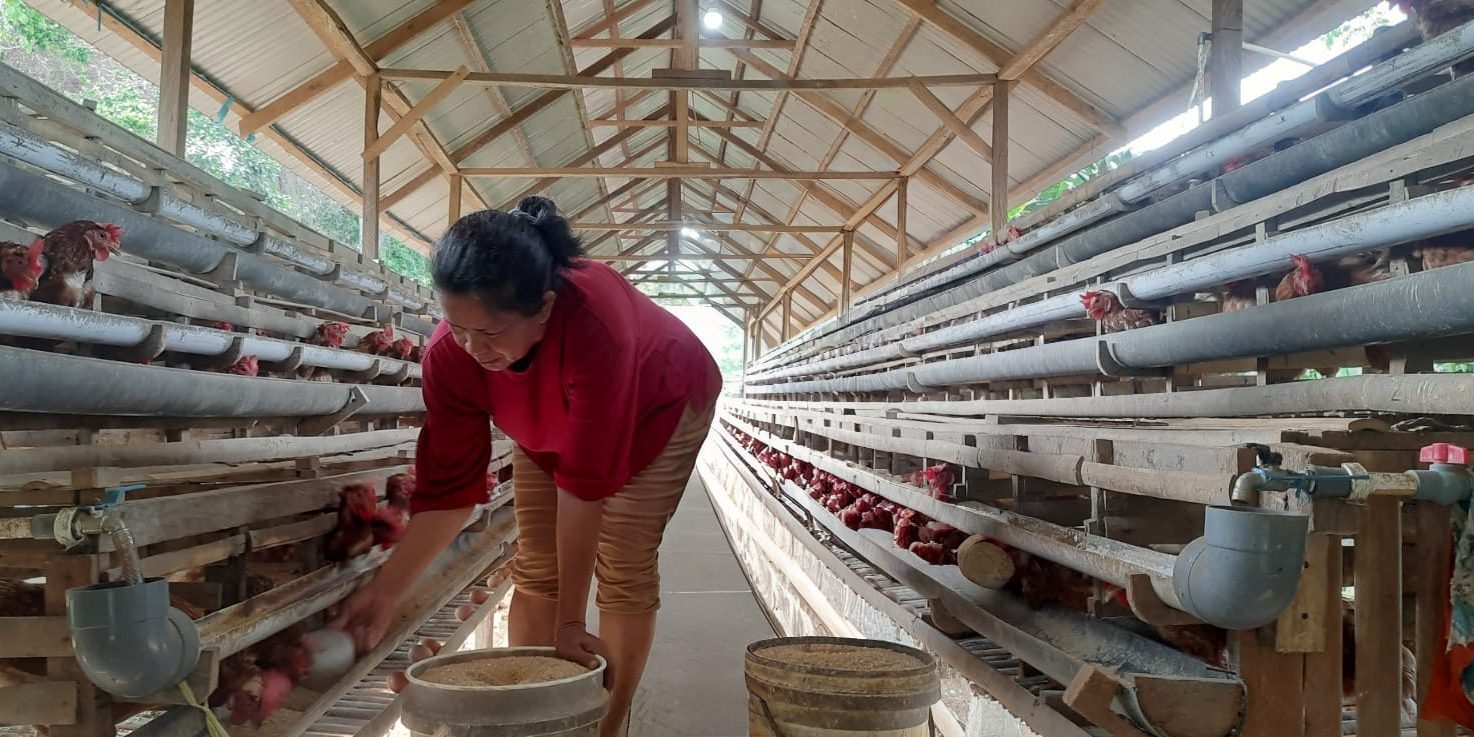
Meanwhile, in North Morowali, Central Sulawesi, PT Agro Nusa Abadi (ANA) implements community empowerment programs across seven villages. In education, the company provides incentives to 21 honorary teachers at 14 schools and supports the development of student arts groups. In the health sector, its support reaches 12 Posyandu, involving 60 community health volunteers who provide services to pregnant women, toddlers, and elderly residents. The company also supports a laying hen farmers’ group in Pebooa Village by providing farming facilities and essential supplies. In the environmental sector, heavy equipment assistance for river normalization and the maintenance of 6.3 kilometers of drainage channels in Bunta Village helps improve water flow and reduce the risk of flooding.
Hermanto Rudi, Sulawesi Area Management, stated that community empowerment programs are part of the company’s commitment to growing together with local communities and the surrounding environment. He explained that each program is developed through dialogue and discussions with communities in their respective villages, while taking local potential and needs into account to ensure that the benefits can be sustained over time.
“Community involvement is also key to ensuring that these initiatives can grow and foster self-reliance. We hope that these initiatives will continue to develop into business opportunities, improvements in quality of life, and greater independence for local communities,” said Hermanto Rudi.
Through collaboration with village governments, community groups, educators, and various stakeholders, Astra Agro continues to encourage the creation of more empowered communities. After all, the success of a program is measured not merely by the assistance provided, but by the community’s ability to sustain, develop, and benefit from these initiatives in the long term.