Pasangkayu is the northernmost district in West Sulawesi province, directly bordering the Makassar Strait. This coastal area is known for its stunning beaches.
Pasangkayu Regency was established in 2003 when it split from Mamuju Regency. Before its formation, this region was known as North Mamuju Regency. At that time, Mamuju was a remote area with limited transportation and infrastructure, largely due to its distance from urban centers.
For a region to thrive, it needs a population of approximately 100,000 people. Additionally, local revenue in fiscal terms is expected to be at least Rp10 billion, as stipulated in Government Regulation No. 78/2007 and Law No. 23/2014.
The division into Pasangkayu occurred because the area of 3,043.75 km² had developed rapidly after each region gained autonomy. This development was made possible by the regional government’s right, authority, and obligation to regulate and manage its own governmental affairs and the interests of the local community.
After 2003, the regional government began to open opportunities for private sector investments, inviting palm oil plantation entrepreneurs to participate in the development of the coastal area.
By 2024, nearly 20 years later, the population of Pasangkayu had reached 184,905 people. Many residents rely on agriculture, fisheries, and plantation sectors for their livelihoods. Furthermore, the regional Local Revenue (PAD) increased from Rp5 billion in 2005, when it was newly established, to Rp18.47 billion.
PT Astra Agro Lestari Tbk (Astra Agro) operates in Pasangkayu and plays a significant role in the region’s development. The palm oil company is committed to contributing to the prosperity of the nation, particularly for communities surrounding its operational areas. Adhering to four fundamental pillars of social responsibility, Astra Agro aims to make sustainable and meaningful contributions to society and the environment across all its subsidiaries in Indonesia, including one in Pasangkayu Regency.
The four pillars are: Astra Kreatif (Economy), Astra Sehat (Health), Astra Cerdas (Education), and Astra Hijau (Environment). These pillars guide Astra Agro’s efforts to benefit society and the environment.
Each program within Astra Agro’s subsidiary companies is tailored based on prioritization through proposals and discussions with the community, and it is aligned with local government initiatives and the region’s vision and mission.
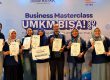
Under the economic pillar, Astra Agro promotes community empowerment through programs like Astra Kreatif, which supports micro, small, and medium enterprises (MSMEs) and boosts local income.
This is demonstrated by assistance provided to palm oil farmer groups, benefiting a total of 1,742 individuals across all Astra Agro subsidiaries in Pasangkayu Regency. Moreover, training programs for non-palm oil businesses have targeted approximately 800 households.
Astra Agro has fostered various potential SMEs in Pasangkayu Regency, aiming to empower the local economy. These enterprises include fish farming groups, Joper and layer chicken farming groups, goat farming groups, and mushroom cultivation MSMEs derived from palm oil processing, as well as MSMEs producing various snack chips grown locally or produced under community supervision.
Additionally, Astra Agro supports non-palm oil farmers, including those cultivating chili, corn, and various fruits and vegetables, alongside emerging MSMEs, such as coffee shop business groups.
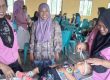
In terms of public health, Astra Agro is actively involved through the Astra Sehat program. As of 2024, the company has provided supplementary feeding assistance (PMT) to 3,267 infants and toddlers, in addition to 412 pregnant women.
Astra Agro also supports healthcare facilities by training 295 posyandu (community health post) cadres spread across surrounding villages.
Various routine health programs are frequently promoted, including free vaccinations, family planning initiatives, blood donation drives, and mass circumcision events.
In the education sector, through Astra Cerdas, Astra Agro supports all forms of education, offering scholarships, improving teacher quality, and constructing educational facilities and infrastructure.
Currently, Astra Agro supports 50 fostered schools in West Sulawesi, including Adiwiyata schools, provides assistance to 100 honorary teachers, and offers scholarships to 174 outstanding students.
Alongside its focus on community welfare, the environment is also a key concern for Astra Agro, which addresses social responsibility through the Environmental pillar, Astra Hijau. The company actively engages in waste management, tree planting, and clean water management initiatives.