JAMBI – Empowering indigenous communities is central to PT Sari Aditya Loka’s (SAL) sustainability commitment, particularly in supporting the independence of the Anak Dalam tribe (SAD). The company has developed an economic model that incorporates local knowledge and environmental considerations. This initiative aims to meet the needs of remote communities and promote inclusive rural development.
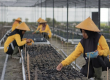
The program includes lemongrass cultivation, freshwater fisheries, and an integrated farming system that combines KUB chicken farming with Black Soldier Fly (BSF) maggots as alternative feed. This approach increases productivity, reduces costs, and creates new income opportunities.
In early 2026, the company provided 5,000 catfish fry to community groups in Bukit Suban Village to support the local economy through aquaculture. This empowerment model includes mentoring, technical training, institutional strengthening, and support in utilizing production results. As a result, the community gains the skills to manage and grow their businesses independently.
PT SAL also supports SAD community craft groups that sustainably use non-timber forest products, balancing economic growth with conservation.
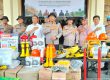
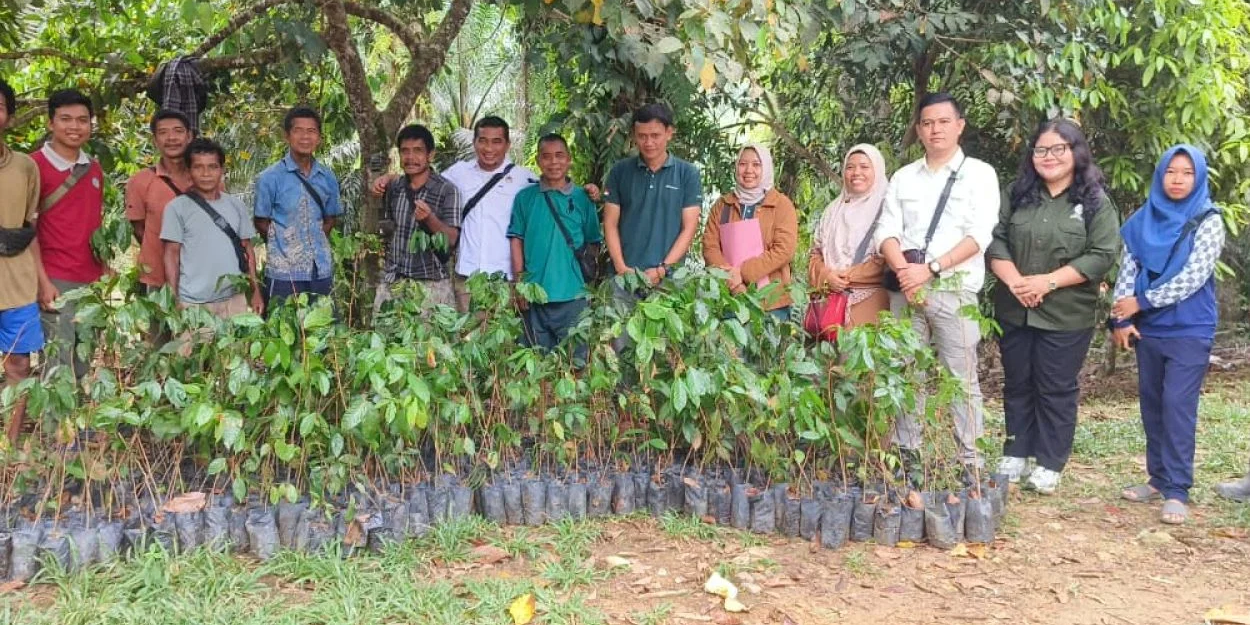
The company distributed 600 jengkol tree seedlings in the buffer zone of Bukit Duabelas National Park to support ecosystem sustainability and long-term economic benefits.
“This program is designed so that the community not only survives but can also become economically independent by sustainably utilising local potential,” said Slamet Riyadi.
This approach highlights the evolving role of businesses as development partners who integrate social, economic, and environmental priorities within a sustainability framework.
Source: Benua News
Disclaimer
This article may contain copyrighted material, the use of which may not have been pre-authorized by the copyright owner. This material is made available for the purpose of giving information and knowledge. The material contained on the Astra Agro website distributed without profit. If you are interested in using copyrighted material from this material for any reason that goes beyond ‘fair use’, you must first obtain permission from the original source