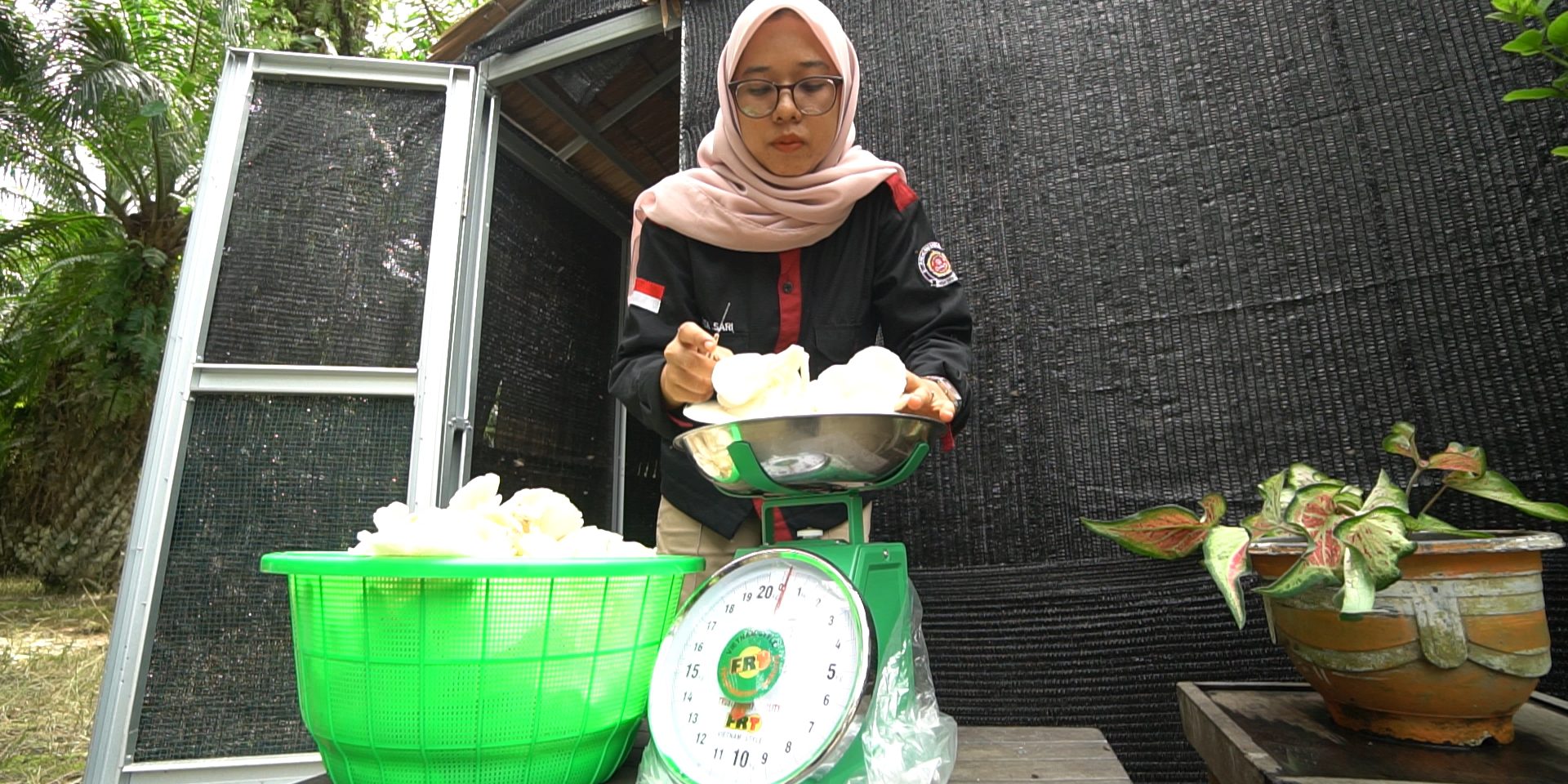
In a small village in the interior of Central Sulawesi, surrounded by vast stretches of palm oil plantations, a girl named Novita Sari often harvests oyster mushrooms from hundreds of baglogs. A baglog refers to the plastic containers, made from heat-resistant polypropylene, in which the mushrooms grow. The cylindrical bags are neatly arranged in a dark room, with some already blooming with mushrooms ready for harvest, while others are still in bud.
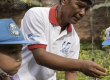
Novita serves as the secretary of the youth community in her village, Towiora Village, located in the Rio Pakava District of Donggala Regency, Central Sulawesi. Together with several members of the youth community, she is venturing into oyster mushroom cultivation under the shade of palm trees.
“Initially, the youth group was formed first, and the idea of cultivation became one of our activities,” Novita explained.
She noted that building this community was not as easy as it might seem, as many young people in Towiora Village do not continue their education, leaving them with limited activities. “At first, we struggled with the idea of mushroom cultivation, and even daily activities sometimes left our members feeling confused,” she said.
This is what motivated Novita and some members of her group to create a youth community called Karang Taruna (youth organization) Harapan Bangsa. For Novita, a recent graduate of a prestigious university in Palu, this experience opened her eyes to the idea that change doesn’t require stability; it stems from sincere intentions.
Returning to her hometown and working to improve her village became her aspiration in forming this youth organization. “If it’s not us, who will make our village better?” Novita remarked enthusiastically.
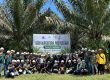
Despite facing challenges, a strong enthusiasm emerged, igniting a desire to change the fate of the youth in her village. The youth community led by Novita successfully attracted around 60 young members in Towiora Village, a previously quiet area that lacked youth activities. Now, it has become more cheerful and vibrant.
The youth organization in Towiora Village engages in various activities, including celebrating Independence Day on August 17th, religious holiday festivities, regular village activities like posyandu (integrated health service posts), and community service. These initiatives have now become consistent activities successfully managed by the youth organization.
The community has received an incredibly positive response from the village government, the local society, and the palm oil industry that coexists with Towiora Village. The only nearby industry is Lestari Tani Teladan (LTT), a palm oil company that has enthusiastically embraced the youth initiative founded by Novita and her team. Their main goal is to empower and uplift the community.
“I’m impressed that with PT LTT’s support! This mushroom cultivation has been a tremendous help. They built the mushroom house, purchased hundreds of baglogs, and assisted us in marketing our sales,” said Novita.
PT LTT not only focuses on its youth community, but also consistently contributes to the development of Towiora Village, its foster village. The company goes beyond simply fulfilling its obligations by supporting the community in various areas. For example, it provides not just one-time assistance, but also regular training and mentoring, ensuring that its initiatives are sustainable and that the community can achieve independence in entrepreneurship.
For Novi, who is relatively young and just starting her career, the income from oyster mushroom cultivation may be uncertain; however, this endeavor presents numerous opportunities for change, particularly for the youth organization. Members who were previously inactive are now engaged in mushroom cultivation, participating in productive activities and generating economic value.
During the peak harvest season, the daily yield of oyster mushrooms can be substantial, with harvests occurring multiple times a day, often producing dozens of kilograms of mushrooms ready for sale. Interestingly, even outside of peak season, the mushrooms remain fruitful, allowing for harvesting at least two to three times daily, which ensures continuous activities in harvesting and marketing the produce.
Sukri D.M. Lage, the Head of Towiora Village, expressed pride in the initiatives developed by the youth organization, both in nurturing the youth community and in the mushroom cultivation business supported by PT LTT.
“We in Towiora Village are continually grateful for the contributions of PT LTT, a palm oil company that has significantly supported us in all aspects of community needs,” said Sukri D.M. Lage.
PT LTT, which operates under PT Astra Agro Lestari Tbk (Astra Agro), aims to promote the development of micro, small, and medium enterprises (MSMEs) in areas surrounding palm oil plantations through its Corporate Social Responsibility (CSR) program. Astra Agro actively involves the youth by providing training, mentoring, and access to markets to help them grow and contribute to the local economy. The ultimate goal is to foster economic independence within the community and create prosperous villages.
The establishment of Karang Taruna Harapan Bangsa aligns with Astra Agro’s mission of mutual prosperity and the principle of sustainability through its Sustainability Aspirations. Astra Agro has set targets to be achieved by 2030, collaborating on people, portfolio, and public contributions, while upholding Good Corporate Governance (GCG) as a key enabler.
“More importantly, the village of Towiora now has a renewed spirit. As a representative of Karang Taruna Harapan Bangsa, I want to convey to the community here that we should view palm oil not simply as a business crop, but as a potential future that can be processed wisely and sustainably,” concluded Novita Sari.
Palm oil plantations are not just fields of oil; they represent expanses of hope and hard work. Behind their lush greenery lies a balance between fortune and sustainability, between industry and conscience.