Waste is a persistent issue in both urban and rural areas. Single-use plastic bags, food scraps, and packaging frequently accumulate due to inadequate management.
At the national level, the issue of waste is no longer merely a matter of cleanliness, but also concerns public health, environmental pollution, and climate change. According to data from the National Waste Management Information System (SIPSN) of the Ministry of Environment and Forestry (KLHK), as cited by Indonesiaasri.com, household activities are the largest contributor to waste, accounting for 60.44%, followed by market activities at 11.63%.
Addressing these challenges requires collaboration. Waste management cannot succeed through the efforts of a single party. Active participation from all stakeholders, especially the industrial sector, is essential due to their close connection with local communities. Companies now serve as both business entities and development partners, raising awareness and supporting sustainable environmental solutions.
This awareness has motivated PT Astra Agro Lestari Tbk (Astra Agro) and its business entities to turn challenges into opportunities. In remote operational areas, they have launched initiatives that transform waste from a problem into a community asset.
One initiative is the Local Curriculum for Oil Palm Plantation Environmental Education (Mulok PLKS) in partner schools. Astra Agro and its entities have introduced a waste management sub-program based on the 5R system: reduce, reuse, recycle, replace, and replant. Students learn both theory and practical waste management, resulting in creative products such as crafts from palm kernel shells and plastic, hydroponic nutrients from frond waste, eco-enzymes, eco-bricks from paper and plastic bottles, and briquettes as an alternative to charcoal.

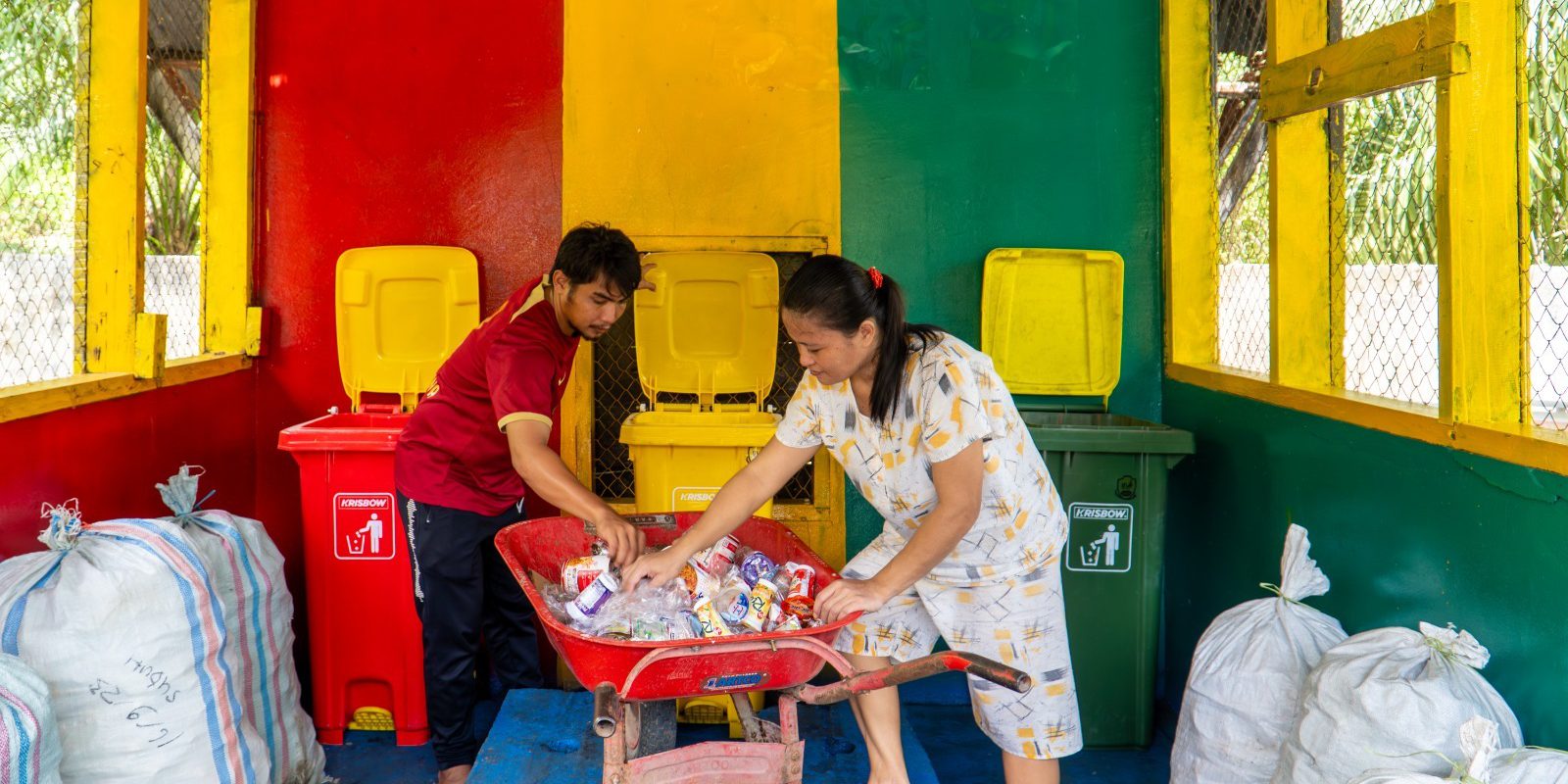
Among these, tangible progress is seen in Pandu Sanjaya Village, supported by PT Gunung Sejahtera Ibu Pertiwi (GSIP) and PT Agro Menara Rachmat (AMR). Company-community collaboration has enhanced the village’s waste bank with composting equipment and fermentation facilities. Compost and maggot feed processing is now economically viable, creating opportunities for community self-reliance. Waste management is also growing in the operational areas of PT Borneo Indah Marjaya (BIM) and PT Palma Plantasindo (PPS). Through the Waste Bank Unit (BSU), the community is encouraged to sort and manage household waste. Plastic bottles, used paper, and other domestic waste are processed into valuable products, such as candles and handicrafts. From this perspective, waste is no longer viewed as a burden but as an economic opportunity.
Environmental awareness is fostered in the younger generation from an early age. In schools supported by PT Subur Agro Makmur (SAM), students use plastic bottles as hydroponic growing media. This activity teaches gardening skills and demonstrates that environmental protection can begin with small daily actions.
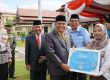
Similar initiatives were also carried out by PT Sumber Kharisma Persada (SKP), PT Cipta Narada Lestari (CNL), and PT Karyanusa Ekadaya (KED). These companies helped their partner schools win the Adiwiyata School Award during the 2025 World Environment Day celebration. Under the theme “Stop Plastic Pollution,” the mentoring program promoted waste sorting, reduced single-use plastics, and fostered a culture of environmental care. Collaboration among companies, local governments, and schools has made environmental education a daily practice for students. evident within indigenous communities.

According to Astra Agro’s 2024 annual report, the company collaborated with the Ministry of Religious Affairs and students participating in the Community Service Program (KKN) in Palu to provide training on making ecobricks to the Bunggu tribe in Saluraya Village, West Sulawesi. Through this training, previously unmanaged plastic waste is transformed into useful products. The residents’ enthusiasm is evident in their eagerness to participate in every session, reflecting a growing awareness and new hope for managing the environment more wisely.
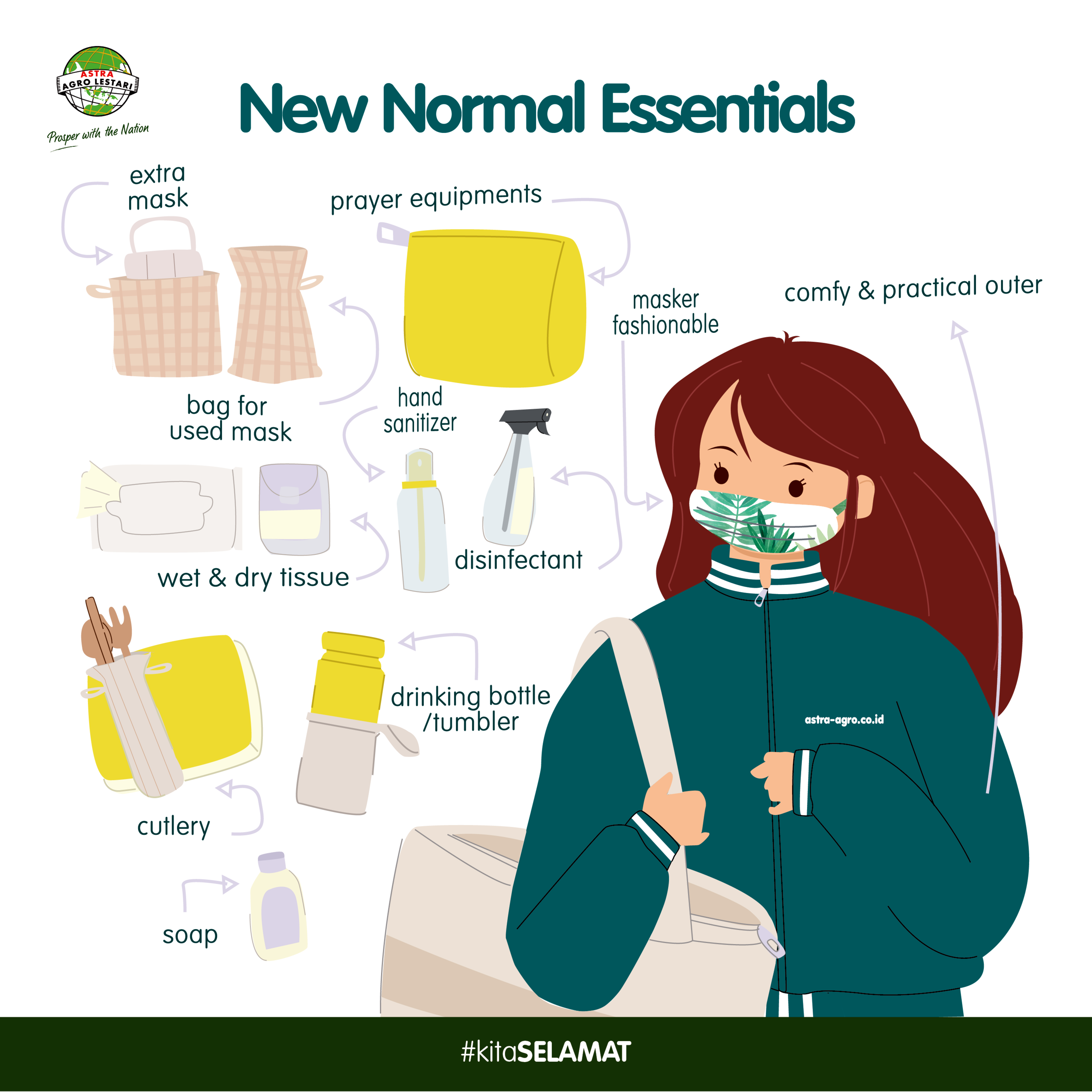
A similar initiative is underway in the Dayak Tomun community. Through an environmental campaign, Astra Agro distributed 600 eco-friendly shopping bags to replace single-use plastics and provided 70 trash bins to support village cleanliness. This program encourages more environmentally friendly community habits.
More broadly, the company continues to promote reducing single-use plastics in supported villages. In 2024, over 1,000 eco-friendly shopping bags were distributed as alternatives to plastic bags. Astra Agro also strengthens education on waste management, home gardening, and reducing plastic use. Improved transportation access in surrounding villages further supports environmental awareness and local economic growth.