Stunting, or growth failure in infants and toddlers, remains a significant challenge for human resource development. Its primary causes include inadequate nutrition from pregnancy through early childhood, poor sanitation, and insufficient nutrition education.
Due to the complexity of stunting, the government has taken accelerated action. According to the Ministry of State Secretariat and Ministry of Health, the Indonesian government, through the Stunting Reduction Acceleration Team (TP2S), has launched a national programme involving ministries, local governments, private sector partners, and community participation. This collaboration is essential for sustainable stunting reduction.
To support the government’s programme, PT Astra Agro Lestari Tbk (Astra Agro) in Jambi and the Jambi Provincial Government have prioritized stunting reduction by promoting planned, measurable interventions with all stakeholders.
Jambi Governor Al Haris emphasized that stunting affects not only health but also the region’s future. He called on all sectors to actively support the stunting reduction action plan.
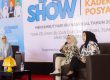
‘All parties must work together and coordinate to ensure this programme’s success, and foster parents play a vital role in every region,’ he said at the opening of the Performance Assessment of Convergence Action for the Acceleration of Stunting Reduction in Regencies and Cities throughout Jambi Province.
At the grassroots level, stunting reduction is achieved through cross-sector collaboration. Astra Agro, a palm oil plantation company in Merangin and Sarolangun Regencies, supports this effort through community empowerment programmes.
‘Astra Agro is one of the sectors that continues to be present through various sustainability commitments, primarily through its foster parent programme,’ added Al Haris.

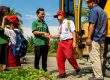
In 2025, Astra Agro in Jambi implemented a range of community-based health programmes. The company believes that preventing stunting requires long-term support, not just temporary assistance. Through its health-focused social responsibility initiatives, Astra Agro has established 35 integrated health service posts (posyandu) in its operational areas and six special posyandu for the Suku Anak Dalam (SAD) community.
The role of posyandu has expanded beyond basic health services to support community empowerment. By the end of 2025, Astra Agro will continue to enhance health facilities and services for the SAD community, ensuring posyandu can address broader needs.
According to Slamet Riyadi, Assistant Corporate Social Responsibility at Astra Agro in Jambi, these service improvements are designed to support all life stages. ‘Starting from pregnant women, postpartum and breastfeeding mothers, infants, toddlers, preschoolers, school-age children, adolescents, adults, to the elderly,’ he explained.
In addition, the company also pays attention to improving the quality of health workers through training and mentoring for doctors, nurses, and posyandu cadres.
It is in these posyandu that stories of gradual change are unfolding, with increasingly trained cadres, children who regularly receive nutritious supplementary food, and increasingly adequate health facilities. Together with the local community health centre, the company also operates a mobile health centre service that reaches 241 households and provides a special ambulance for the SAD community, who have had difficulty accessing health services.
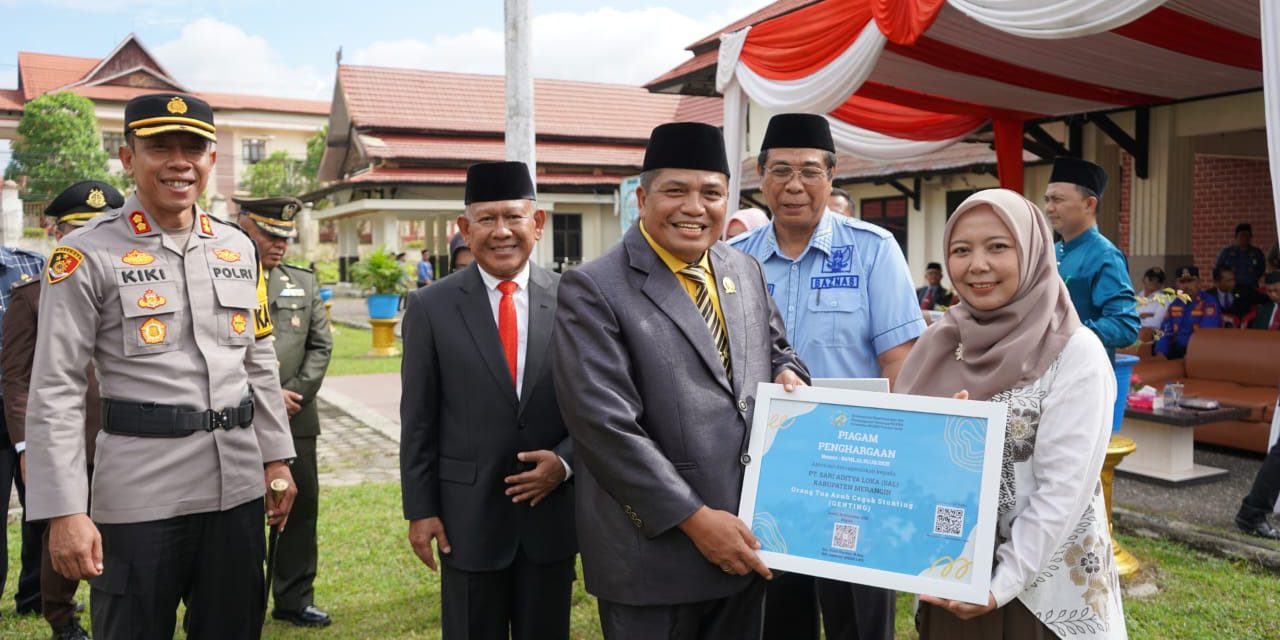
This consistent presence and sustainable approach did not go unnoticed by the local government. In October 2025, the Merangin Regency Government recognised Astra Agro’s active role in accelerating the reduction of stunting. This recognition was further reinforced by the awarding of the Piagam Orang Tua Asuh Cegah Stunting (GENTING) from the Jambi Provincial BKKBN in December 2025.
The company’s efforts do not stop at the health pillar. Astra Agro’s subsidiary in Jambi also supports the government’s programme to maintain food security, an important foundation for preventing stunting. Throughout 2025, the company distributed 34.65 tonnes of rice and 2,979 food packages to more than 331 households and SAD communities in Merangin and Sarolangun Regencies.
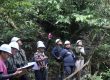
For the company, the meaning of food security does not stop at giving; it also involves accompanying and empowering. To that end, Astra Agro, together with the SAD community and farmer groups, initiated the planting of 600 jengkol tree seedlings, the cultivation of lemongrass, and the development of freshwater fisheries.
Education then became the next important chapter in this series of efforts. By 2025, the company will have mentored 13 schools in Merangin and Sarolangun, accompanying 412 students and 16 educators. For SAD children who must leave the forest to pursue formal education, the company provides Wisma Madu Rimbo, a shelter for SAD children from primary to secondary school levels.
Slamet emphasised that the business world is inseparable from the pulse of regional life. He hopes that the collaboration built so far will continue, so that development not only grows but also has a real impact on the community.