On a recent morning, a fisherman’s small boat navigated the dense mangrove corridors along the coast of Aceh Singkil, Aceh Province. The robust mangrove roots stabilized the mud and waves, while providing essential habitats for crabs, fish, and shellfish, which have become increasingly abundant. For local residents, this transformation represents not only a revitalized landscape but also the gradual restoration of their primary source of livelihood. “Before the mangroves grew like this, we often returned home with little catch.
“Now, almost every day we can get fish and mangrove crabs to sell or consume ourselves,” stated Afrizal, a local fisherman. He noted that the rehabilitated mangrove area has stabilized fish catches and enhanced coastal security, as the shoreline is now less susceptible to erosion. This ecological recovery is a result of a mangrove rehabilitation program initiated by PT Perkebunan Lembah Bhakti (PLB), a subsidiary of PT Astra Agro Lestari Tbk, since 2018.
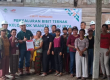
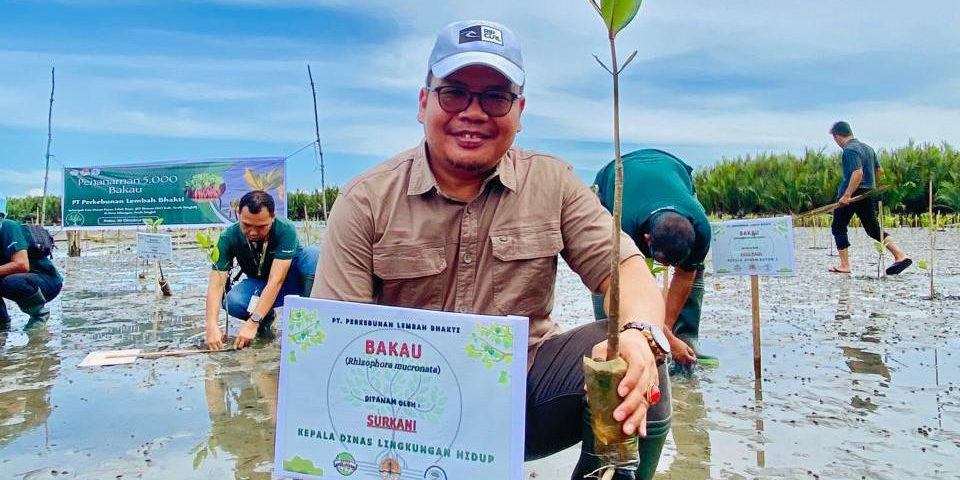
By 2025, the company aims to have planted 51,000 mangrove trees across approximately 14.73 hectares, including a recent addition of 5,000 trees on 2 hectares. These initiatives contribute to coastal restoration and foster new opportunities for community engagement with the natural environment. Additionally, a group of high school students actively participated in planting mangrove seedlings, gaining practical experience in environmental conservation.
“Usually, we only learn from books. Here, we see firsthand how mangroves can protect the coast and serve as a home for many animals,” remarked a student from SMA Negeri 1 Gunung Meriah, who participated in the mangrove planting organized by PT PLB. The student expressed hope that such activities would increase environmental awareness among the younger generation. Surkani, Head of the Environment Agency (DLH) of Aceh Singkil Regency, also commended this collaborative initiative.
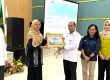
The mangrove rehabilitation program implemented by PT PLB in collaboration with the community and students exemplifies effective synergy in coastal environmental protection. Surkani noted that the program’s impact extends beyond ecological benefits to include social and economic improvements. He emphasized that mangroves are vital for climate change mitigation, as they absorb carbon and protect coastlines from erosion. “Not many can consistently preserve the environment, but PT PLB has been able to carry out this commitment since 2018.
He further highlighted the significant initiative of involving the education sector directly in the program. Monitoring in the rehabilitation area indicates healthy mangrove growth and increased biodiversity, including various species of birds, mammals, and reptiles. These findings suggest that the rehabilitation efforts are effective and offer long-term benefits to the coastal ecosystem.
“Ecosystem balance is Astra Agro’s primary commitment in maintaining sustainable business operations,” stated PT PLB Administrator M. Asrar Iqbal. He explained that the mangrove rehabilitation initiative is one of several programs supporting this commitment. For coastal communities, mangroves represent both environmental preservation and future security. “If the mangroves are preserved, our children will still be able to fish in the same place and live off a healthy sea,” Afrizal added. This optimism grows alongside the mangrove roots now firmly established in Aceh Singkil’s coastal soil. Through its ongoing mangrove rehabilitation program, PT PLB reaffirms its dedication to generating positive outcomes for both the environment and the community. The thriving mangroves today symbolize hope for future generations.
Source: Klikaceh.id
Disclaimer
This article may contain copyrighted material, the use of which may not have been pre-authorized by the copyright owner. This material is made available for the purpose of giving information and knowledge. The material contained on the Astra Agro website distributed without profit. If you are interested in using copyrighted material from this material for any reason that goes beyond ‘fair use’, you must first obtain permission from the original source