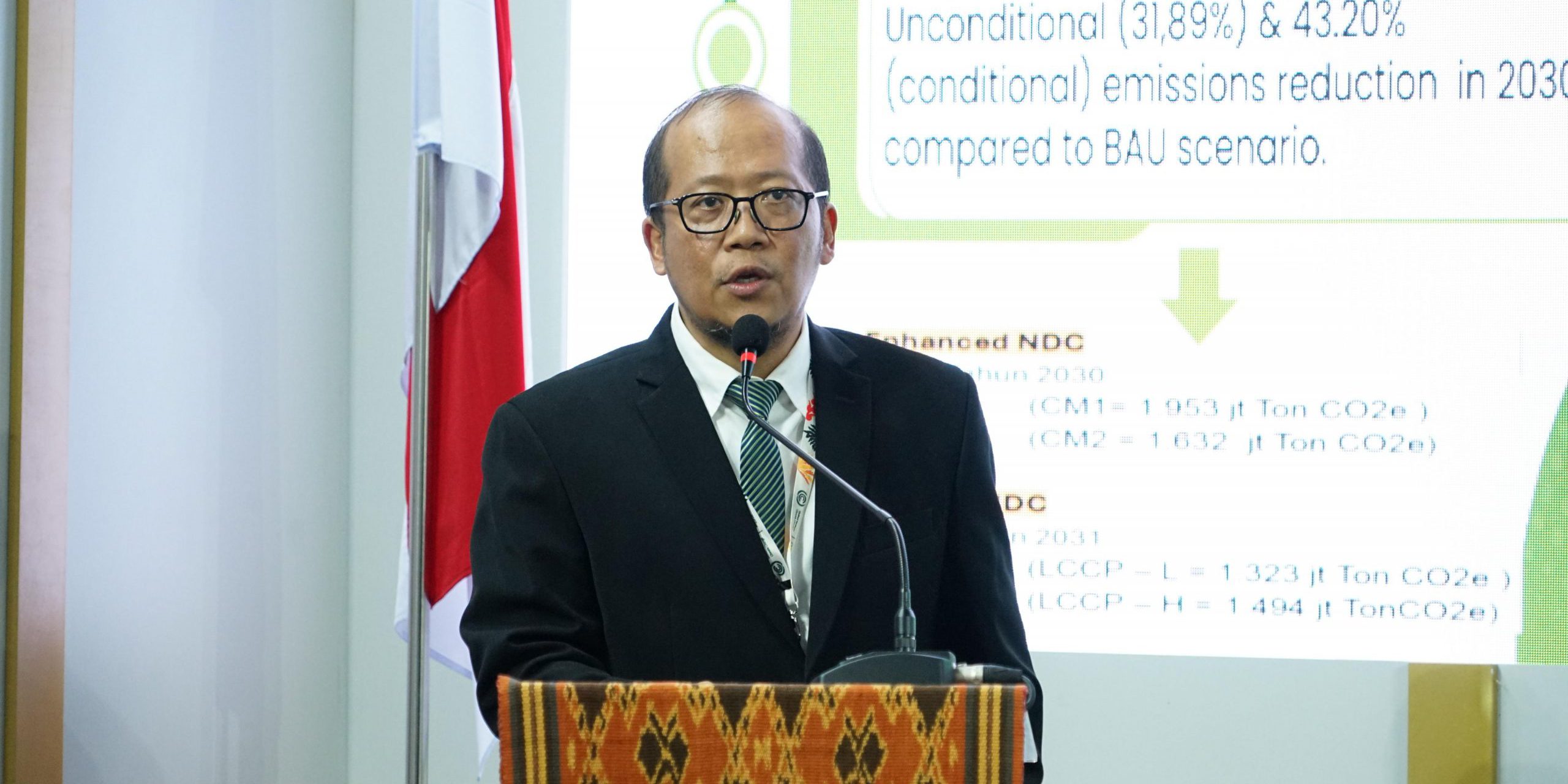
On November 13, 2025, in Belem, Brazil, PT Astra Agro Lestari Tbk (Astra Agro) reaffirmed its commitment to implementing sustainability principles across its operations. Dr. Bandung Sahari, Astra Agro’s Sustainability Director, emphasized that this commitment is demonstrated through digitalization programs, nature-based solutions, and the application of green technology,” said Dr. Bandung Sahari, Astra Agro’s Sustainability Director, while speaking on behalf of Astra International at the 30th Conference of the Parties (COP30).
The 2025 annual forum organized by the United Nations Framework Convention on Climate Change (UNFCCC) adopts the theme “Accelerating Substantial Actions of Net Zero Achievement through Indonesia High Integrity Carbon.” The Conference of the Parties (COP) serves as a high-level platform for United Nations member states to collaborate on global climate policies and to strengthen collective action toward achieving Net Zero Emissions.
Astra Agro participated as a speaker in the CEO Talks session, representing Astra International. As a company operating in the palm oil plantation sector, Astra Agro implements a range of sustainability initiatives. These include the digital transformation of plantations using machine learning and sensors to enhance operational efficiency, peatland rewetting to reduce carbon emissions and protect ecosystems, and the treatment of palm oil mill effluent (POME) to generate biogas as a renewable energy source.
According to Bandung, digital transformation has become a primary driver of operational efficiency and accuracy, integrated across the entire value chain. In addition to digital initiatives, Astra Agro is advancing green transformation through multiple programs aimed at reducing greenhouse gas emissions. These efforts include nature-based solutions, peatland rewetting, methane gas capture, and community-based initiatives to prevent land and forest fires.
Drone technology supports the replanting process, while machine learning, IoT-based sensors, and satellite imagery enable precise monitoring of plant health, soil conditions, and fertilization requirements. The control room system provides comprehensive, real-time operational monitoring, including early detection of potential hotspots through the Firespot monitoring platform.
A key focus area is the rewetting of peatlands. Bandung explained that dry peatlands present a significant risk for carbon emissions, making rewetting through canal blocking a critical climate mitigation strategy.
The utilization of industrial waste as clean energy constitutes a crucial pillar of Astra Agro’s green transformation. Liquid waste from palm oil mills, known as Palm Oil Mill Effluent (POME), is treated with methane capture technology to produce biomethane (biogas).
This renewable energy can be utilized for cooking, power generation, industrial applications, and potentially as a feedstock for green hydrogen, a promising low-carbon energy source. Additionally, POME residue serves as organic fertilizer, reducing reliance on chemical fertilizers.
Through simultaneous digital and green transformation, Astra Agro positions sustainability as a core company strategy to ensure long-term productivity, operational efficiency, and responsible agribusiness growth, rather than viewing it solely as an environmental initiative.
“Astra Agro’s participation at COP30 reflects the company’s commitment to actively contribute to global climate action and to support Indonesia’s aspirations for a low-emission future,” stated BandungAccording to Bandung, Astra Agro’s commitment to sustainability principles has been formalized since 2022 through the Astra Agro Sustainability Aspirations, which outlines 12 initiatives aimed at achieving targets by 2030.30Among the targets established in alignment with the Sustainable Development Goals (SDGs) framework and long-term carbon reduction and climate resilience strategies, the achievements realized in 2024 provide grounds for optimism.sm.
Examples of these achievements include documented emission reductions, an increased share of renewable energy, and the implementation of waste recycling and recovery programs.
Astra Agro’s sustainability programs have resulted in a 15.14% reduction in Astra Group’s scope 1 and 2 greenhouse gas emissions from the 2019 baseline, a 92.17% increase in the renewable energy mix, and the recycling and recovery of up to 100% of solid waste.(*)