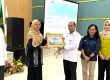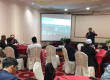
Cahyo Wibowo, Senior Vice President of Research and Development at PT Astra Agro Lestari Tbk (AALI), emphasized that research is crucial for fulfilling the company’s vision and mission. He made this statement during the Media Gathering Talk to The CEO event held in Pangkalan Bun, Central Kalimantan, on Thursday, October 30, 2025.
“Since our establishment, Astra Agro has embraced the spirit of becoming the most productive and innovative company in the world. Therefore, long-term investment in research is essential,” said Cahyo.
Astra Agro operates a research and development (R&D) center in Pangkalan Bun, Central Kalimantan, where innovative solutions are generated. The focus areas include developing superior seeds and organic fertilizers that enhance production while preserving biodiversity.
Cahyo mentioned that since the R&D department’s establishment in 2008, the development of biocontrol has been a key priority.
“This approach not only minimizes environmental pollution and health risks but also enriches biodiversity and supports climate-smart agriculture,” he explained.
One of the primary research areas is the development of biocontrol, which provides an environmentally friendly solution for managing plant pests and diseases while contributing to food security.
Biocontrol leverages natural predators, microbes, or their derivatives to reduce pest and disease populations without relying on synthetic pesticides.
Among the innovations developed in 2013 was the biological fertilizer Astra Efficient Microba (Astemic), created from superior microbes sourced from Astra Agro’s gardens.
This innovation not only improves soil health and nutrient absorption but also increases efficiency by reducing dependence on inorganic fertilizers by up to 25%, thereby lowering carbon emissions. This serves as concrete evidence of the application of sustainable agriculture principles.
Developing partnerships to foster innovations.
Astra Agro plans to collaborate with Indonesian National Research and Innovation Agency (BRIN) to further innovate and develop new biofertilizer formulations that are increasingly efficient and environmentally friendly.
In 2020, Astra Agro released three superior oil palm varieties developed internally: AAL Lestari, AAL Sejahtera, and AAL Nirmala. These varieties are designed to enhance productivity without expanding farmland. Five years later, in 2025, Astra Agro will introduce new superior seedlings with various updates and improvements, named DxP AAL Nirmala MRG, DxP AAL Lestari MRG, and DxP AAL Sejahtera MRG.
All three new varieties exhibit tolerance to basal stem rot, commonly known as Ganoderma disease, which poses a significant threat to oil palm plantations. The new varieties complement the previously released ones, which have demonstrated superior productivity.
“Ganoderma disease has spread widely in regions such as West Sulawesi and Sumatra. Therefore, we are developing varieties with moderate resistance to this disease, along with effective cultivation practices to maintain high productivity,” said Cahyo.
In addition to disease resistance, the latest varieties are designed to prevent parthenocarpy, or shriveled fruit, thereby ensuring better fruit quality.
With a blend of high productivity, disease resistance, and cultivation efficiency, Astra Agro aims for these new varieties to provide solutions for the national palm oil industry in addressing future global challenges.
Ebi Rulianti, Director of Plantation Seed Development at the Ministry of Agriculture, stated that the biofertilizers and superior seed varieties produced by Astra Agro are anticipated to support and advance the national palm oil industry.
“The application of biofertilizers significantly reduces the impact of inorganic fertilizer residues, which could degrade soil quality both physically and chemically. Similarly, the use of biocontrol methods and high-quality superior seeds is expected to enhance the production, productivity, and quality of oil palm and its products,” he said.
Astra Agro’s innovations aim to strengthen competitiveness while addressing the pressing challenges related to productivity and sustainability in the national palm oil industry. This initiative aligns with the company’s vision of becoming the most productive and innovative agribusiness in the world through research and development (R&D).
Furthermore, Cahyo emphasized that discovering new solutions and innovations is challenging, particularly when the ultimate goal is to support national interests and ensure that the palm oil industry remains a crucial pillar of the Indonesian economy.
“We believe that the key to successful research and development lies in the quality of Human Resources (HR),” he added.
“From its inception, Astra Agro has instilled the spirit of becoming the most productive and innovative company in the world. Therefore, long-term investment in research cannot be overlooked,” Cahyo stated.
Astra Agro has an R&D center in Pangkalan Bun, Central Kalimantan, where its innovations originate. It focuses on superior seeds and organic fertilizers that enhance production while preserving biodiversity.
Since establishing its R&D department in 2008, the development of biocontrol has been a primary focus. “This effort not only minimizes environmental pollution and health risks but also enriches biodiversity and supports climate-smart agriculture,” he explained.
One significant area of research is the development of biocontrol as an environmentally friendly solution for managing plant pests and diseases, contributing to the success of the food security program.
Biocontrol utilizes natural enemies, microbes, or their derivatives to suppress pest and disease populations without depending on synthetic pesticides.
Among the research conducted, a significant innovation in 2013 led to the development of Astra Efficient Microba (Astemic), a biofertilizer that uses superior microbes sourced from Astra Agro’s plantations. This innovation improves soil health and nutrient absorption, reduces dependence on inorganic fertilizers by up to 25%, and decreases carbon emissions, demonstrating a commitment to sustainable agricultural principles.
Planning collaboration to continue innovating
Astra Agro also plans to collaborate with BRIN to continue this innovation, aiming to produce new biofertilizer formulations that are even more efficient and environmentally friendly.
Not only that, in 2020, Astra Agro also released three superior oil palm varieties developed internally, namely AAL Lestari, AAL Sejahtera, and AAL Nirmala.
All three are designed to meet the need for increased productivity without expanding farmland. Five years later, in 2025, Astra Agro is once again releasing superior seedlings with various updates and advantages, named DxP AAL Nirmala MRG, DxP AAL Lestari MRG, and DxP AAL Sejahtera MRG.
All three are varieties tolerant to basal stem rot, which is the main threat to oil palm plantations, often referred to as Ganoderma disease.
As for the three new varieties, they complement the three previous varieties that have proven to be superior in productivity.
“Ganoderma disease has spread widely in several regions such as West Sulawesi and Sumatra. Therefore, we are trying to develop varieties that have moderate resistance to this disease, along with good technical cultivation to maintain high productivity,” said Cahyo.
Beside disease resistance, this latest variety is also designed to prevent parthenocarpy or shriveled fruit, ensuring better fruit quality.
With a combination of high productivity, disease resistance, and cultivation efficiency, Astra Agro hopes this variety can be a solution for the national palm oil industry in facing future global challenges.
Ebi Rulianti, Director of Plantation Seed Development at the Ministry of Agriculture, stated that the biofertilizers and superior seed varieties produced by Astra Agro are expected to be beneficial in supporting and advancing the national palm oil industry.
“The application of biofertilizers is very beneficial in reducing the impact of inorganic fertilizer residues, which are feared to lower soil quality as a growing medium, both physically, chemically, and biologically. Likewise, the utilization of biocontrol and high-quality superior seeds is highly anticipated to increase the production, productivity, and quality of oil palm and its products,” he said.
Astra Agro’s innovations aim to strengthen competitiveness while addressing the pressing challenges related to productivity and sustainability in the national palm oil industry. This initiative aligns with the company’s vision of becoming the most productive and innovative agribusiness in the world through research and development (R&D).
Furthermore, Cahyo emphasized that discovering new solutions and innovations is challenging, particularly when the ultimate goal is to support national interests and ensure that the palm oil industry remains a crucial pillar of the Indonesian economy. “We believe that the key to successful research and development lies in the quality of Human Resources (HR),” he added. “From its inception, Astra Agro has instilled the spirit of becoming the most productive and innovative company in the world. Therefore, long-term investment in research cannot be overlooked,” Cahyo stated.
Astra Agro has an R&D center in Pangkalan Bun, Central Kalimantan, where its innovations originate. It focuses on superior seeds and organic fertilizers that enhance production while preserving biodiversity. Since establishing its R&D department in 2008, the development of biocontrol has been a primary focus. “This effort not only minimizes environmental pollution and health risks but also enriches biodiversity and supports climate-smart agriculture,” he explained.
One significant area of research is the development of biocontrol as an environmentally friendly solution for managing plant pests and diseases, contributing to the success of the food security program. Biocontrol utilizes natural enemies, microbes, or their derivatives to suppress pest and disease populations without depending on synthetic pesticides. Among the research conducted, a significant innovation in 2013 led to the development of Astra Efficient Microba (Astemic), a biofertilizer that uses superior microbes sourced from Astra Agro’s plantations.
This innovation improves soil health and nutrient absorption, reduces dependence on inorganic fertilizers by up to 25%, and decreases carbon emissions, demonstrating a commitment to sustainable agricultural principles.
Source: Sawit Indonesia
Disclaimer
This article may contain copyrighted material, the use of which may not have been pre-authorized by the copyright owner. This material is made available for the purpose of giving information and knowledge. The material contained on the Astra Agro website distributed without profit. If you are interested in using copyrighted material from this material for any reason that goes beyond ‘fair use’, you must first obtain permission from the original source